
Sep 15, 2026 · 12 min read
Best AI Video Maker for Marketing: 6 Top Tools
Compare the best ai video maker for marketing, with six tools for ads, social clips, product videos, story-led content, and branded campaigns.
Read the story →LiveSeedance 2.5 is live: 30-second clips, 50 references, redraw anything. Try it now →
Compare the best ai video maker for marketing, with six tools for ads, social clips, product videos, story-led content, and branded campaigns.
Read the story →
Compare the best AI tools for short form video, including Seedance Studio, CapCut, Canva, InVideo, Synthesia, and more.
Compare the best cheap video ads software for social ads, product videos, and short-form campaigns without stretching your budget.
Compare the best text to video tool for product demos, including Seedance Studio, PixVerse, VEED, HeyGen, InVideo, and Runway.
Compare the best AI TikTok video maker tools for creators, marketers, and small businesses by features, pricing, workflow, and best use.
Learn how AI video creation service pricing works, compare credits and plans, estimate monthly costs, and choose a plan for your workflow.
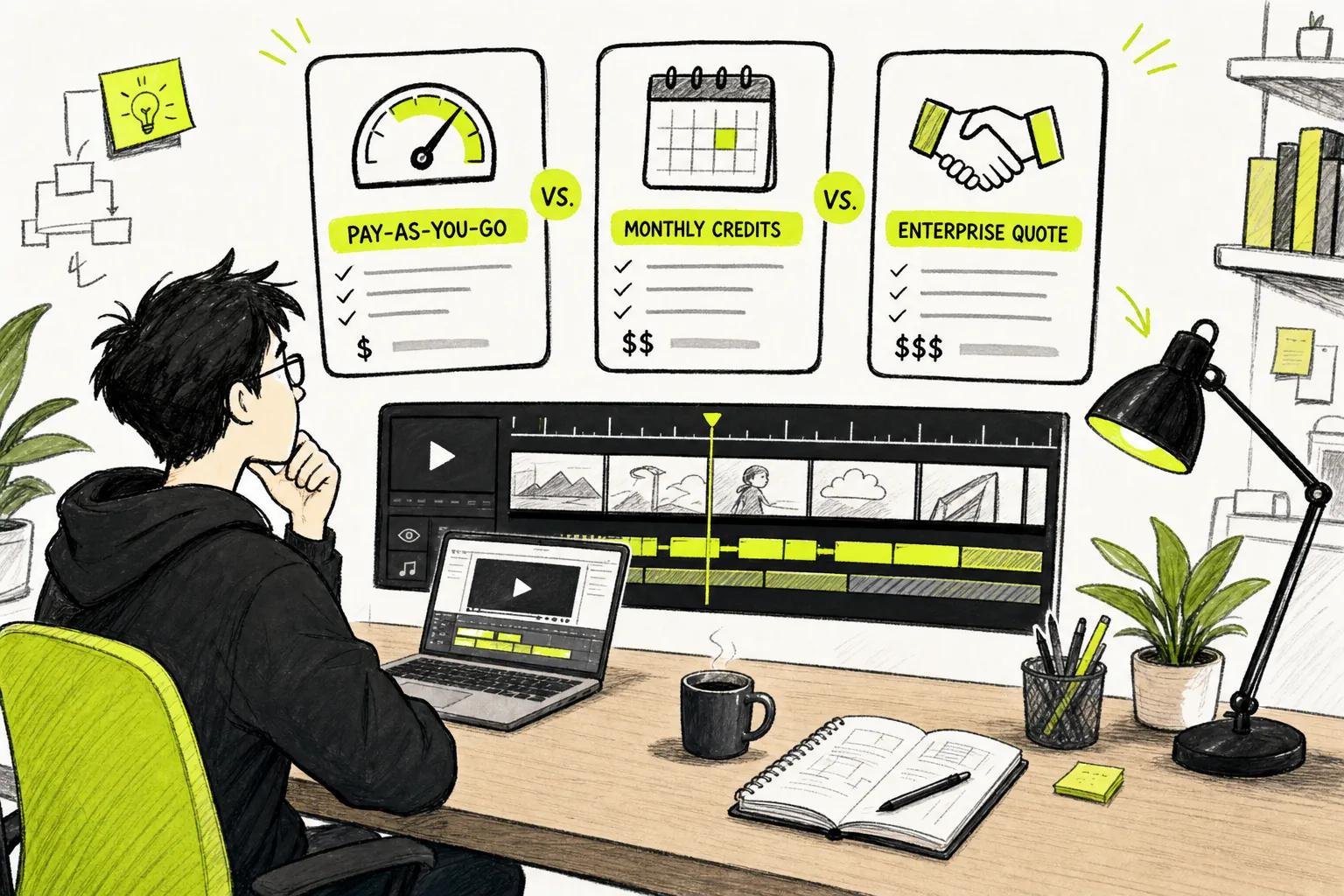
Learn how AI video API pricing works, compare pay-as-you-go and credit plans, estimate generation costs, manage usage, and reduce overruns.
Build an agency plan for fast ad production with clear briefs, AI video workflows, rapid reviews, and scalable social ad processes.
Find the best affordable AI video maker for ads, with comparisons of price, audio, quality, creative control, and social ad features.
Find affordable AI video creation software for polished TikTok, Reels, and Shorts videos without a large production budget.
Learn how to add captions automatically to short videos, fix timing and errors, style subtitles, and export videos for TikTok, Reels, and Shorts.

Learn how to use an ad video maker ai online to create short video ads for TikTok, Reels, YouTube Shorts, and other channels.

Compare the best 1 by 1 square video maker from image tools, including Seedance Studio, Runway, Kling, Dream Machine, and Veo.
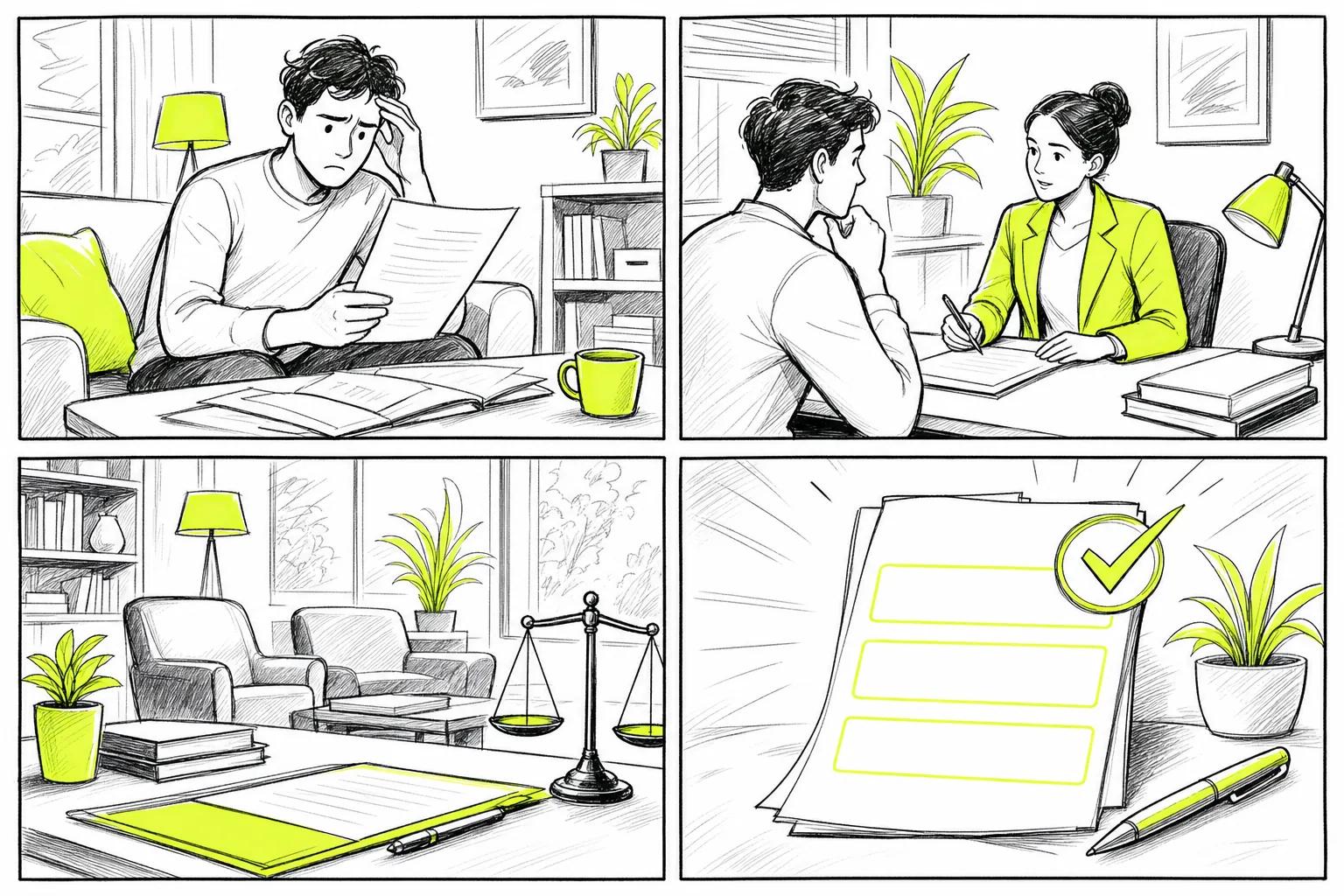
Learn how to use an AI video creator for legal service promos, with compliant scripts, clear visuals, captions, and short-form exports.
Compare the best ai video generator for instagram Reels, including Seedance Studio, Pexo, InVideo AI, Runway, and Veed.io.
Learn how to make videos with AI voice using a simple workflow for scripts, narration, visuals, editing, and social media publishing.
Compare the best ai video generator for instagram reels, including Seedance Studio, Pexo, InVideo AI, Runway, Kling AI, and Veed.io.
Learn how to make dropshipping ads with better hooks, product videos, platform-ready formats, and simple tests that improve sales.
Compare five Pika alternatives for AI video in 2026. See which tools fit creators, marketers, social teams, and multi-shot video work.

Learn how to make product demo video content that explains value clearly, shows your product in action, and fits TikTok, Reels, and YouTube.
Learn how to make videos without showing your face with scripts, voiceovers, screen recordings, AI visuals, captions, and simple editing steps.
Learn how to make talking head videos with clear scripts, better lighting, clean audio, captions, editing, and AI video tools.
Compare the best runway alternatives for AI video, including Seedance Studio, Higgsfield, Kling, Google, Pika, and InVideo AI.
Find the best video length for TikTok by content type, audience, and goal. Use timing tips to improve watch time and engagement.
Compare the best ai video generator for reels tools, including Seedance Studio, Runway, Kling AI, Veo 3.1, Pika 2.5, and CapCut.
Learn how to make reels with ai using clear prompts, scripts, voiceovers, captions, and Seedance Studio for fast, polished short videos.
Seedance 2.5 is live: 30-second clips, up to 50 references and redraw editing, now the default model on every plan.
Compare AI video generator prices, free tiers, features, and limits. See how Seedance Studio, Runway, Pika, HeyGen, and WaveSpeedAI compare.

Learn how to make TikTok videos with AI, from writing prompts and generating clips to adding sound, editing, and posting engaging videos.

Learn how to make faceless videos with simple steps for planning, scripting, AI visuals, voiceovers, editing, captions, and publishing.
Learn how to make AI videos from a prompt, image, or audio file. Follow five clear steps for TikTok, Reels, and YouTube Shorts.
Learn how to make AI videos for Instagram with short scripts, 9:16 prompts, reference images, sound, editing tips, and Seedance Studio.
Learn how to use an image to video api to prepare images, write prompts, send requests, fix errors, and build a social video workflow.
Compare the best ai avatar video maker tools for creators, marketers, and teams, with features, free plans, use cases, and pricing guidance.
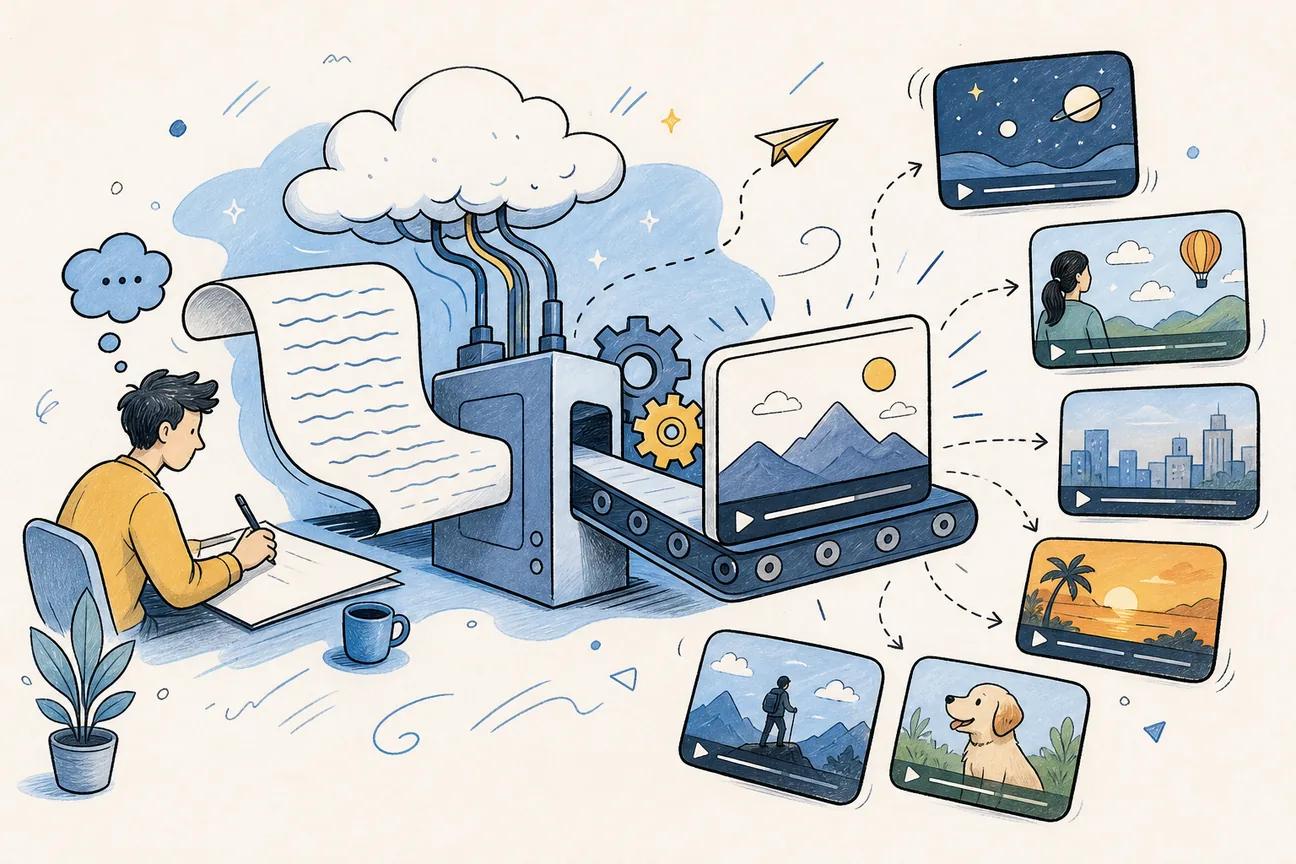
Compare the best text to video API tools in 2026, including Seedance Studio, Sora, Runway, Pika, and Luma for fast video creation.
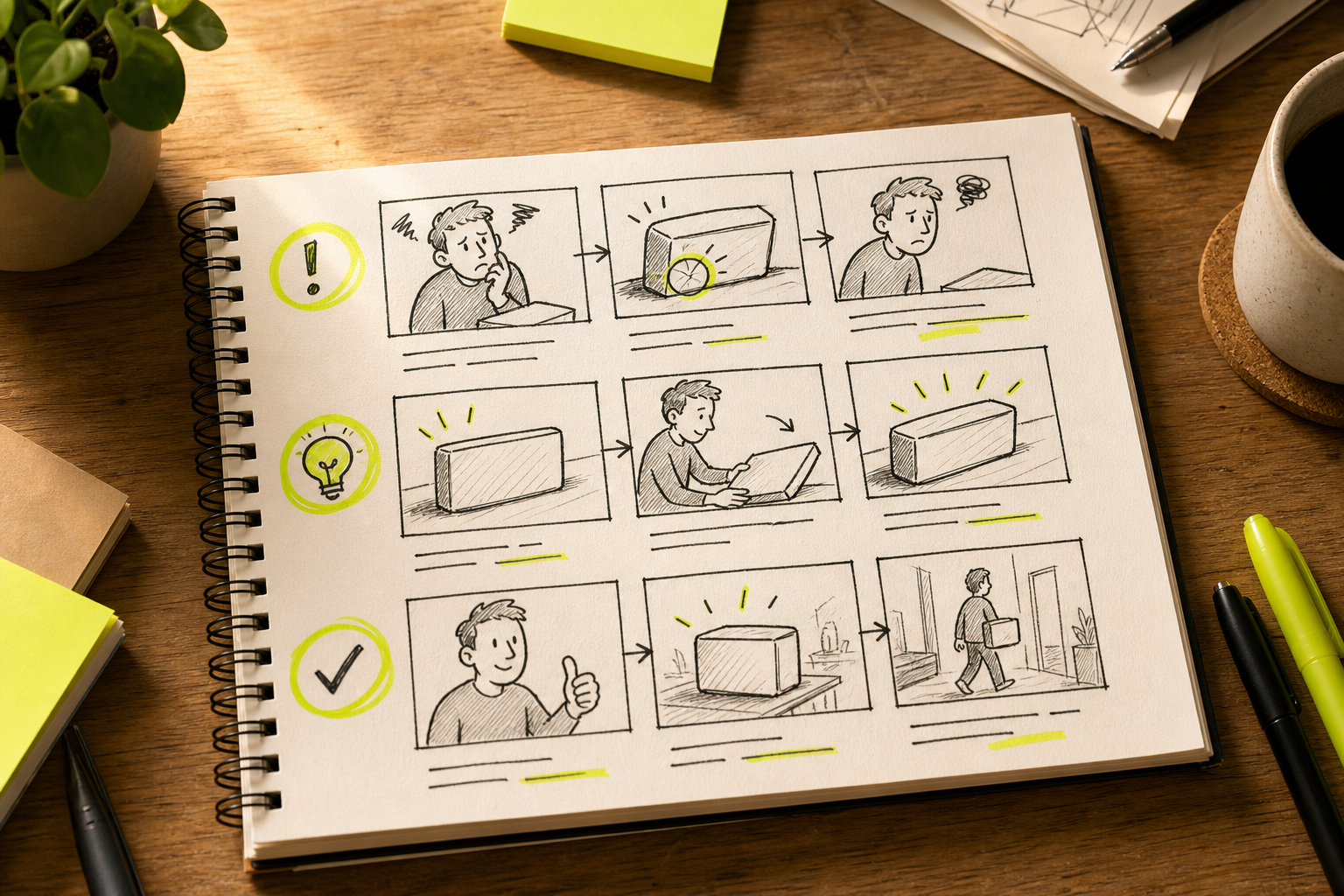
Learn how to make a product video that sells, from planning and scripting to filming, AI generation, editing, and social publishing.
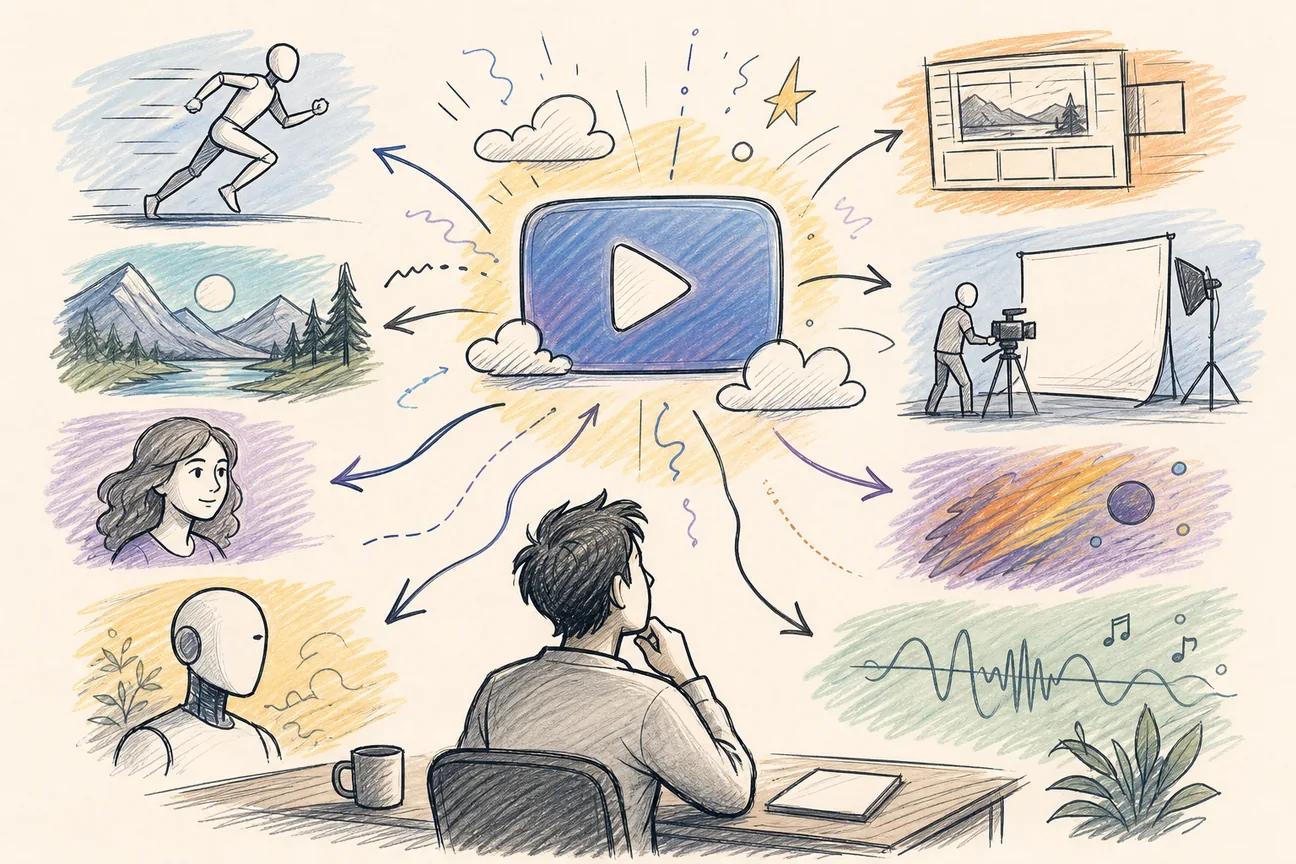
Compare the best sora alternatives for AI video in 2026, including Seedance Studio, Runway, Pika, Luma, InVideo, and CapCut.
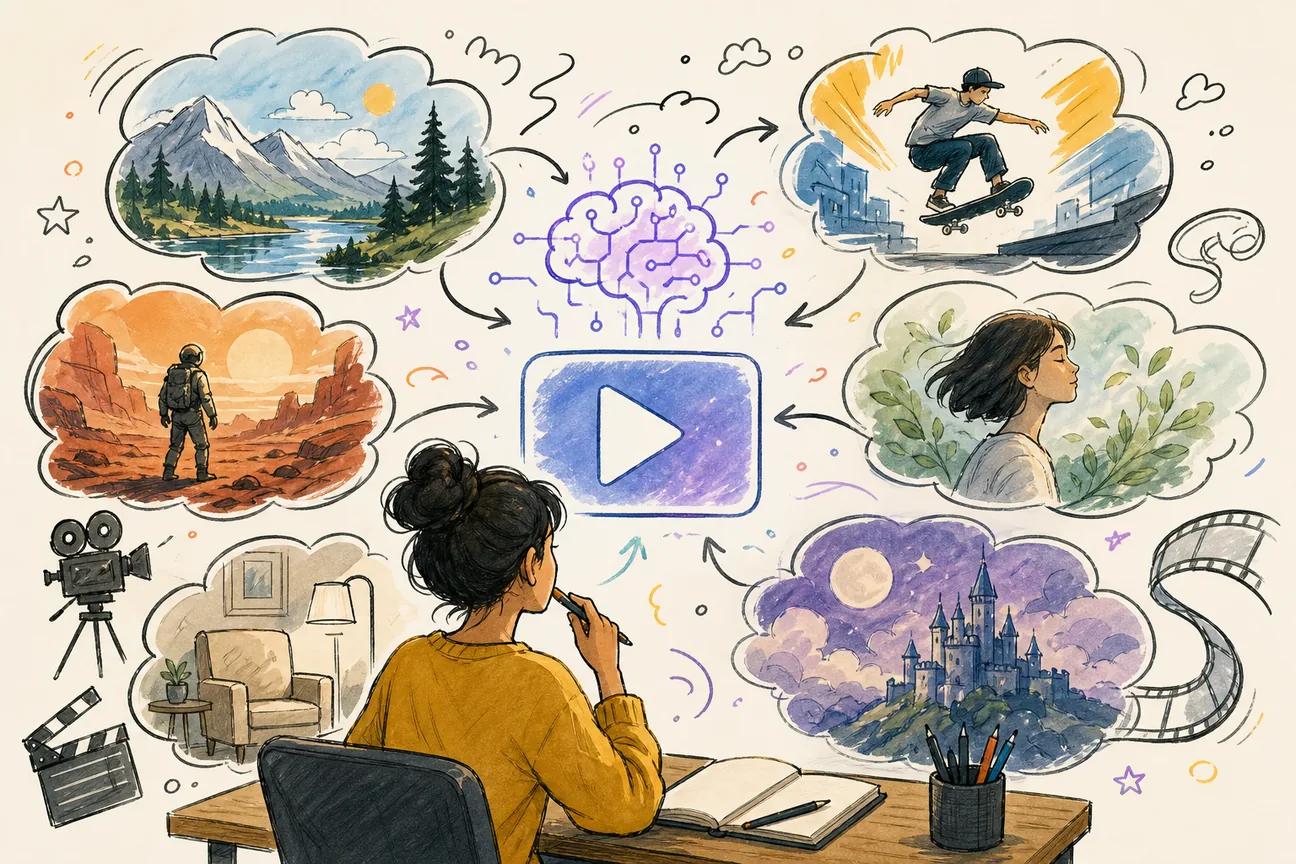
Find the best ai video prompts for TikTok, Reels, and Shorts, with ready-to-use ideas for Seedance Studio and leading video generators.
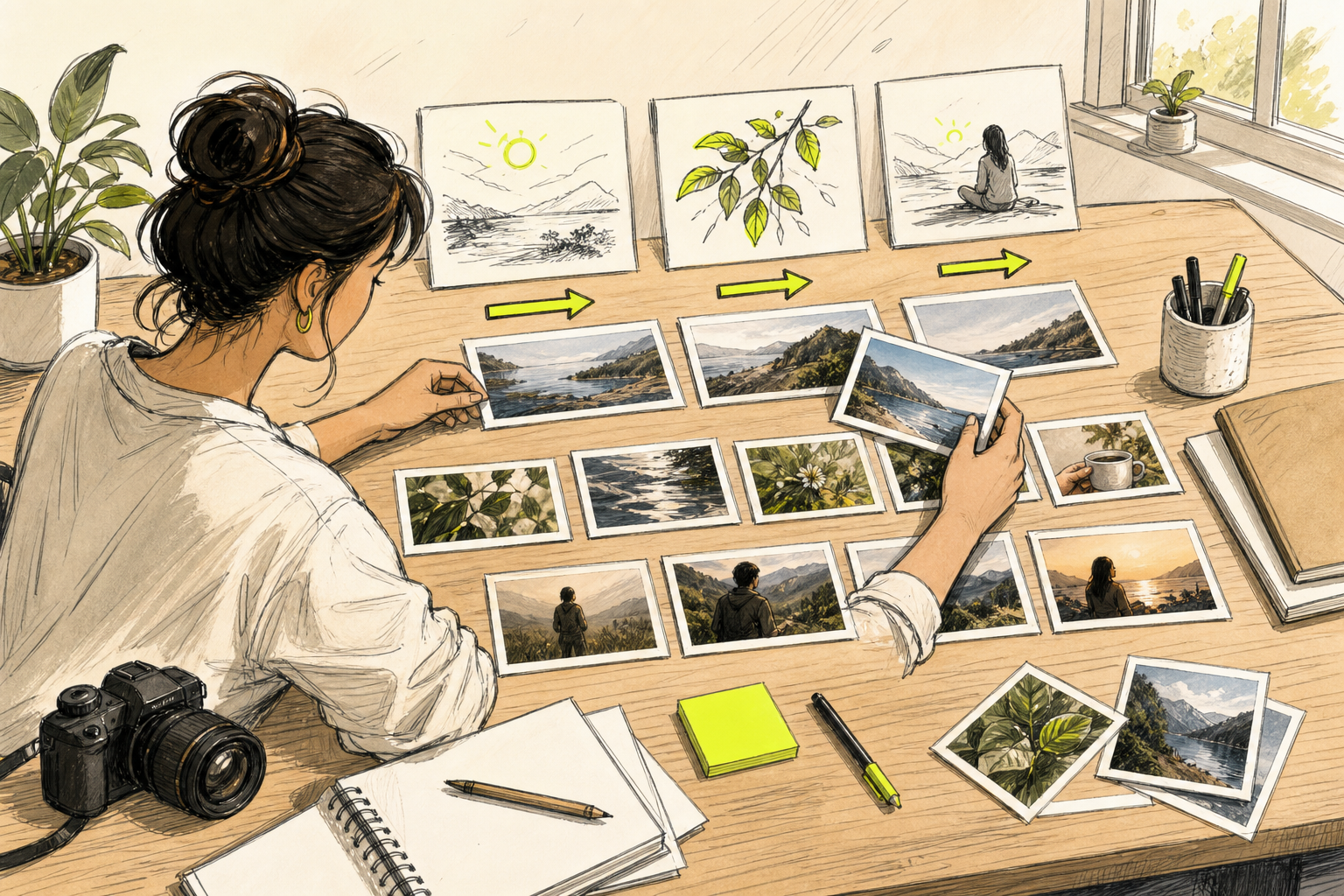
Learn how to make videos from photos with simple steps for choosing images, adding motion, editing clips, and exporting social-ready videos.
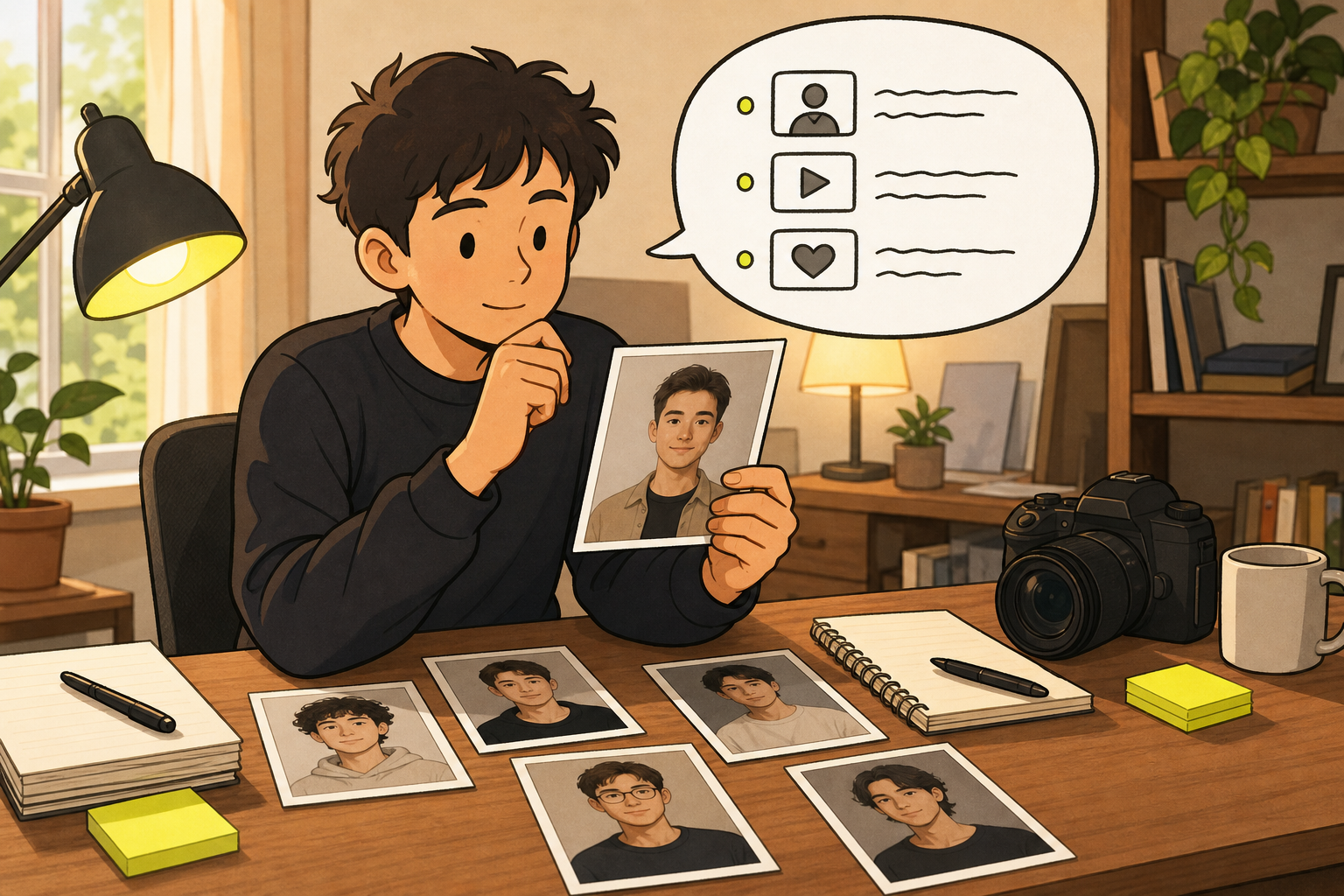
Learn how to make talking photos with AI using a portrait, script, and voice. Follow simple steps to create engaging videos for social media.
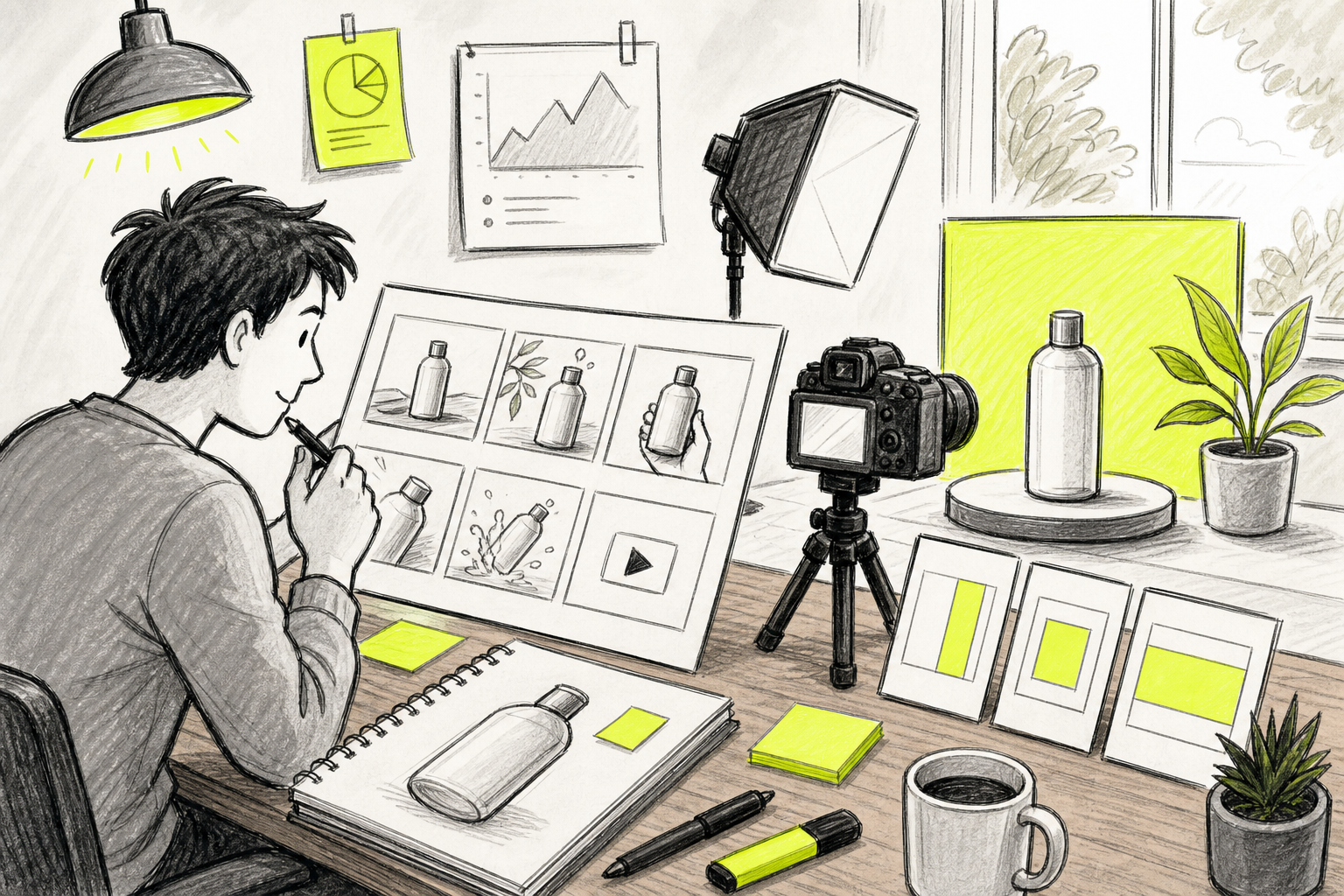
Learn how to make product videos for Amazon with a clear plan for scripting, filming, editing, uploading, and using Seedance Studio.
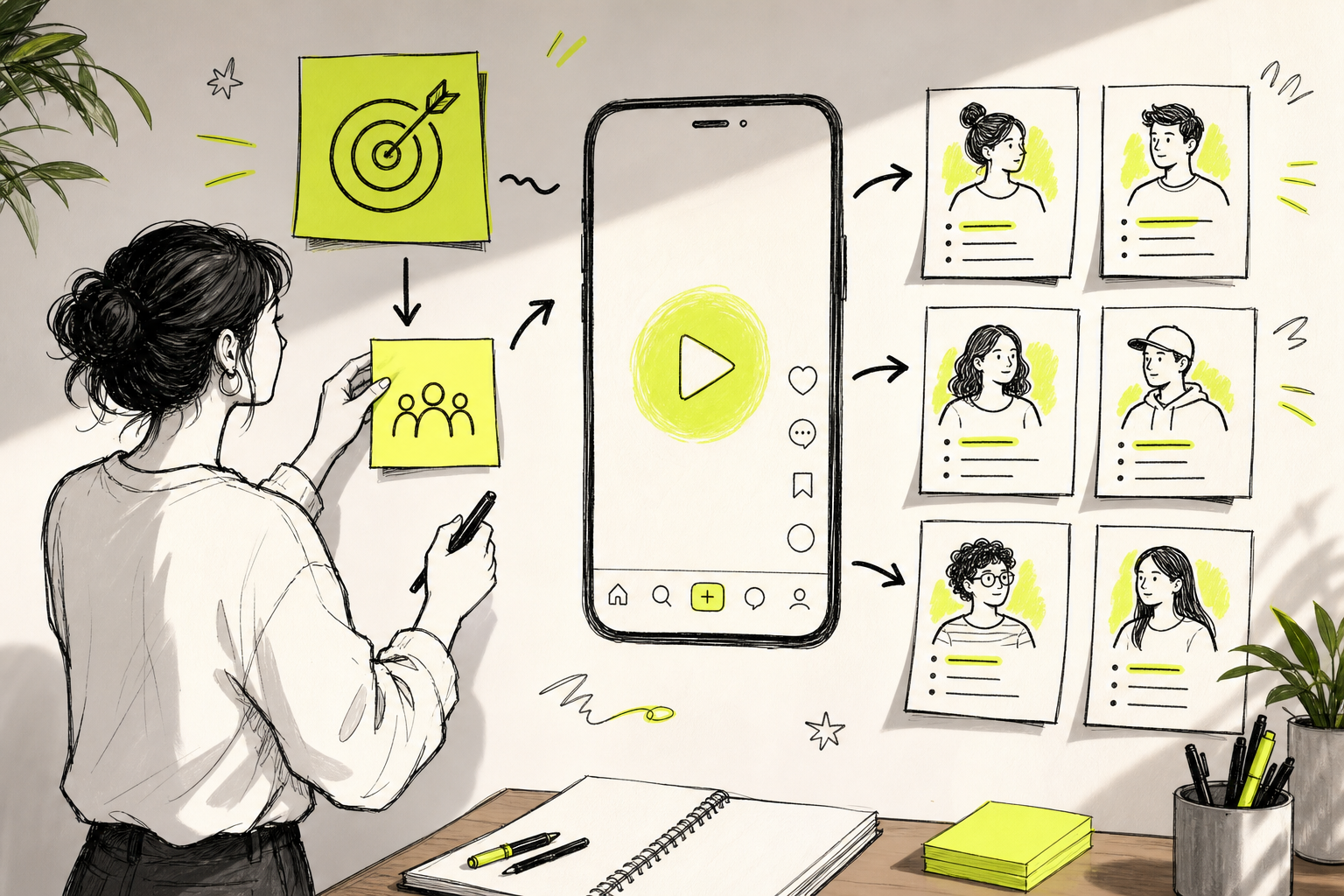
Learn how to make an ad for TikTok step by step, from choosing a goal and hook to creating, editing, launching, and testing your video.
Learn how to make videos with AI for YouTube step by step. Use Seedance Studio to generate stunning clips fast — no editing skills needed.
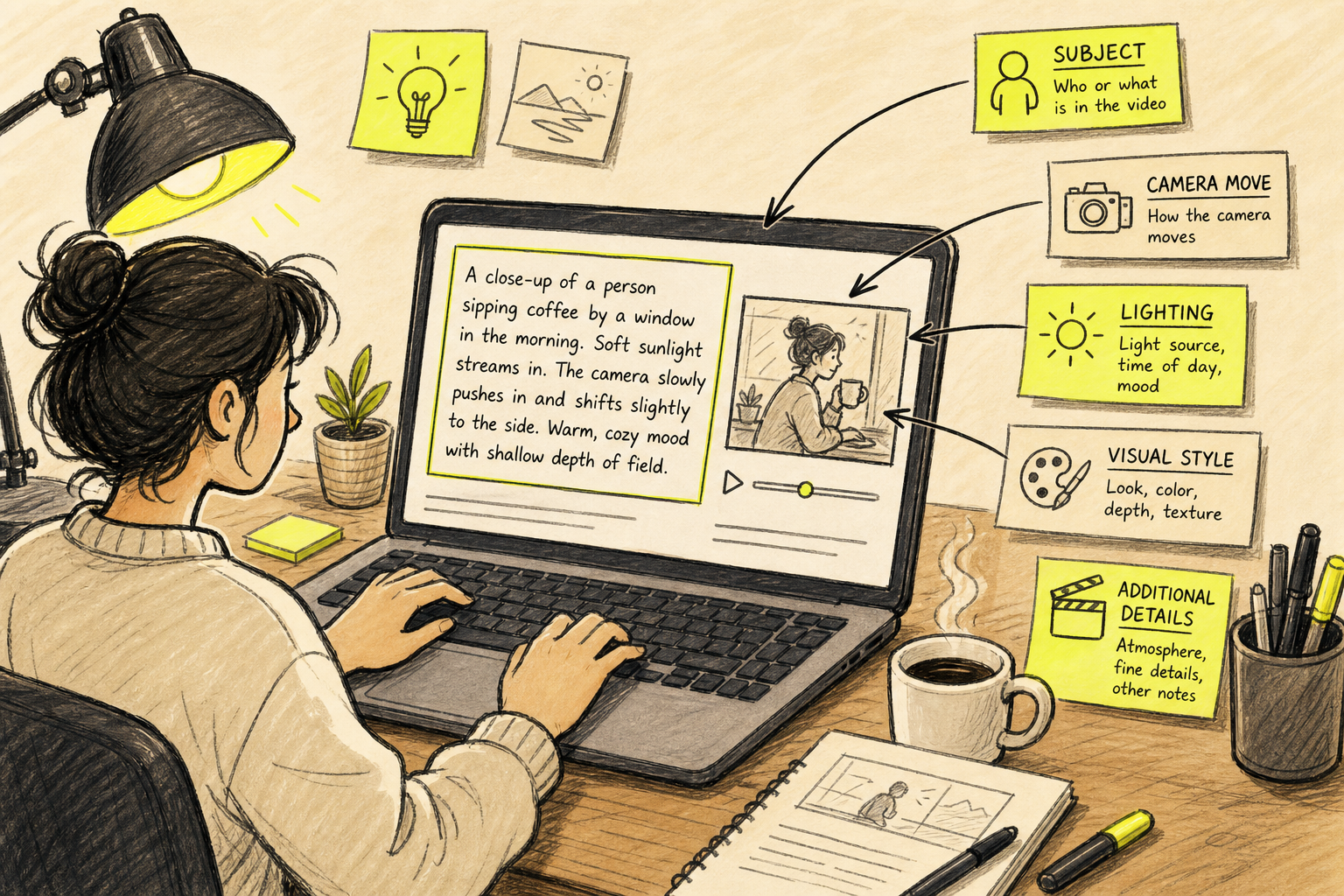
Learn how to make AI video shorts step by step using Seedance Studio — no editing skills needed. Create scroll-stopping Reels, TikToks & YouTube Shorts today.
Compare the best AI video generators for 4K output in 2026. From free tiers to pro plans — find the right tool for your content.
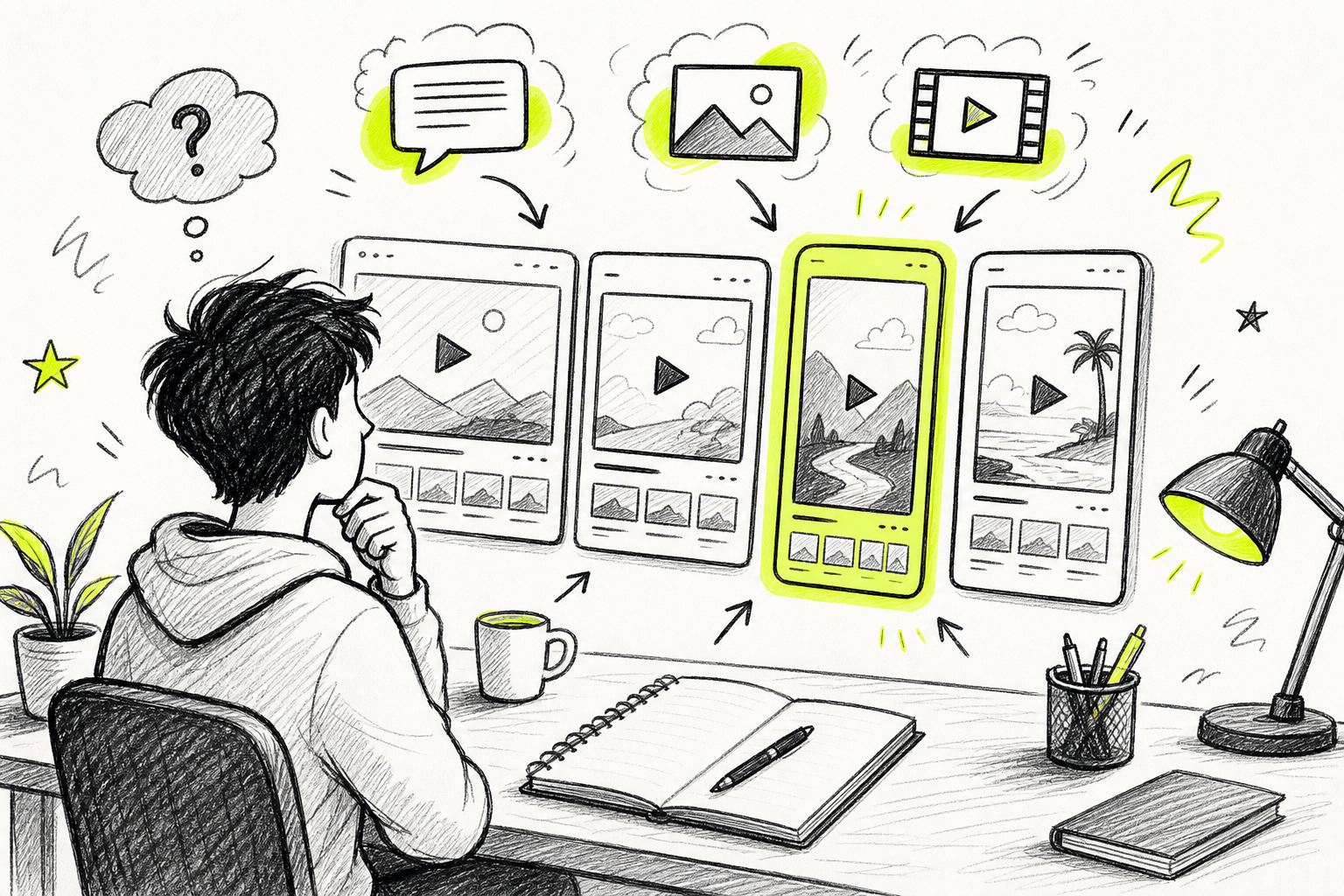
Learn a simple step-by-step process to create eye-catching Instagram Reels using AI tools like Seedance Studio and boost your social reach.
Learn how to spot short form video trends, pick the right formats, create AI-powered clips, and measure results on TikTok, Reels, and YouTube Shorts.
Learn how to make an AI commercial step by step—script with AI, generate visuals, add voiceover, edit, and polish. No big budget needed.
Discover the 10 best AI video generators to make YouTube Shorts fast in 2026. Compare features, pricing, and free tiers — starting with Seedance Studio.

Compare the top 10 open-source AI video generators in 2026 — features, VRAM needs, licensing, and who each tool is actually for.
Find the best AI video generator for YouTube Shorts in 2026. Compare Seedance Studio, Runway, Luma AI, Pika, and more for fast vertical video creation.
Compare the best AI video generation APIs in 2026 — Seedance Studio, Google Veo, Runway, Synthesia, fal.ai, and ModelsLab. Features, pricing, and who each suits
Find the best AI video generator for advertising in 2026. Compare Seedance Studio and top alternatives — features, pricing, and who each tool is actually for.
Explore the best AI video prompt examples across 6 top tools. See real prompt templates, tips, and who each option suits best for social video in 2026.
Find the best AI explainer video generator tools for creators and marketers in 2026. Compare Seedance Studio, Synthesia, HeyGen, Runway, and Pictory.

Looking for Kling AI alternatives? Discover the top AI video tools for TikTok, Reels, and YouTube Shorts — with a free tier comparison and prompting tips.
Compare the 7 best AI video generators for marketing in 2026. Seedance Studio leads the list — see features, pricing, automation, and which tool fits your workf
Compare the best AI product video generator tools in 2026. Features, pricing, and honest caveats to help creators and marketers pick the right one fast.
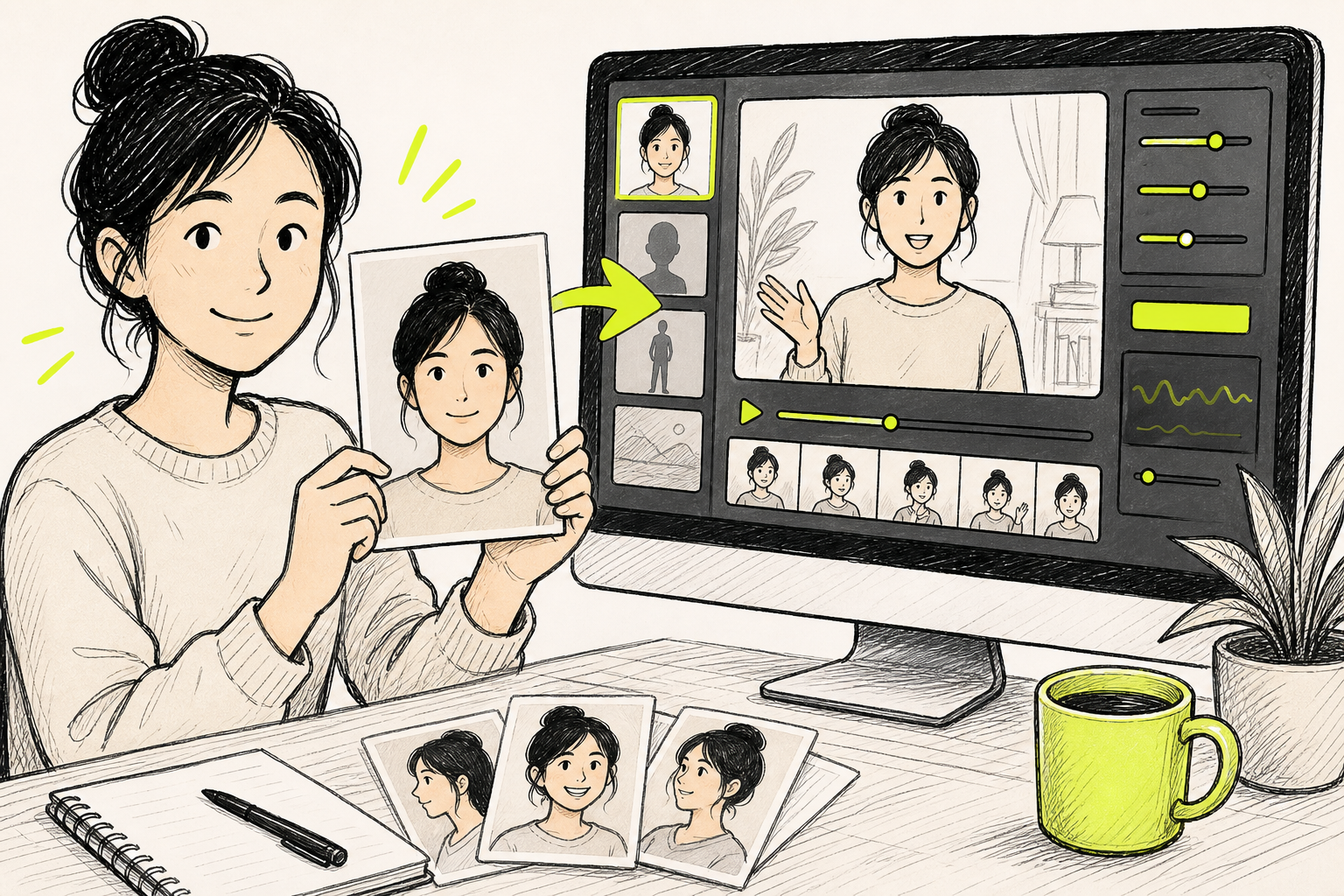
Learn how to make an AI avatar fast with clear steps, from concept to export. Perfect for creators and marketers seeking high-quality AI videos.
Compare the best AI video generator pricing options in 2026 — from Seedance Studio's $14/mo plan to Runway, Kling, Adobe Firefly, and Pika 2.5.
Looking for a cheap AI video generator? Here are the best affordable tools in 2026 to create stunning videos fast — starting from free.
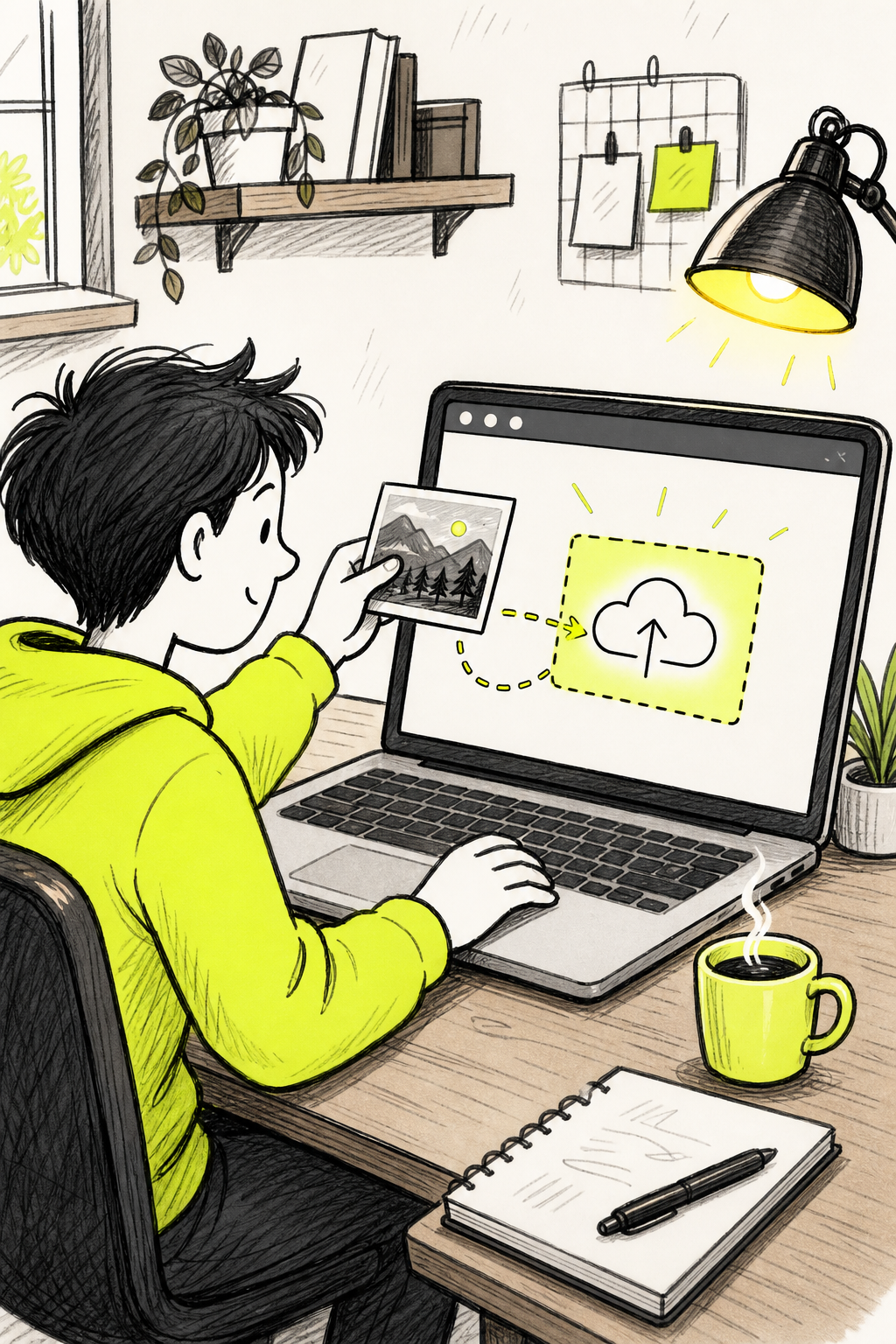
Convert any photo to video AI free in minutes. Step-by-step guide using Seedance Studio — no downloads, no watermarks on the free tier, no credit card needed.

Learn how to make a photo talk in minutes with AI tools. Follow this simple step-by-step guide and create animated talking photos for social media.
Discover the top AI promo video maker tools in 2026, including Seedance Studio, Creatify, Google VEO 3.1, Runway Gen-3 Alpha, and Adobe Firefly. Find your best
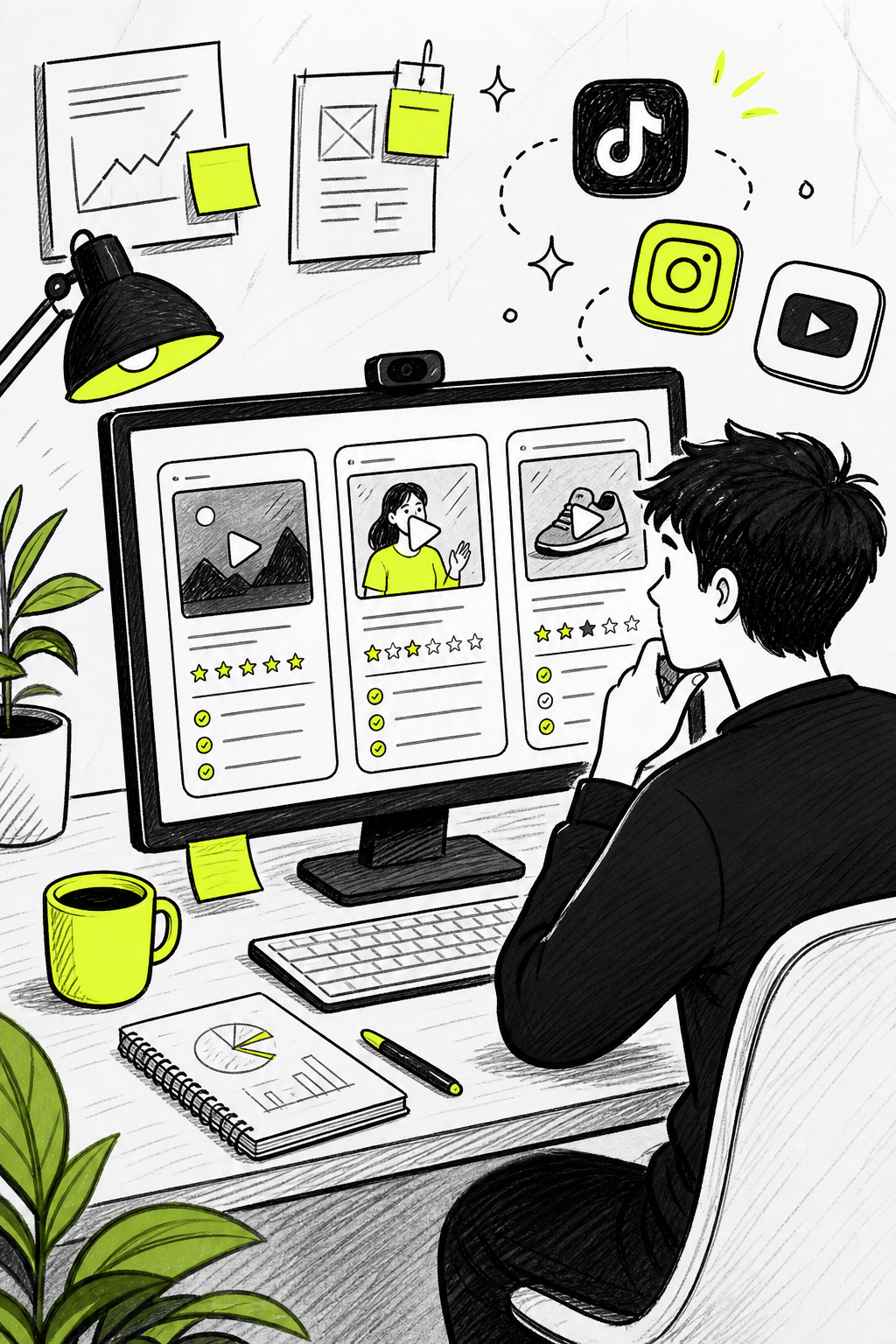
Learn how to create high-converting ads with the best AI video generator for ads. Step-by-step guide covering tools, workflows, and optimization tips.
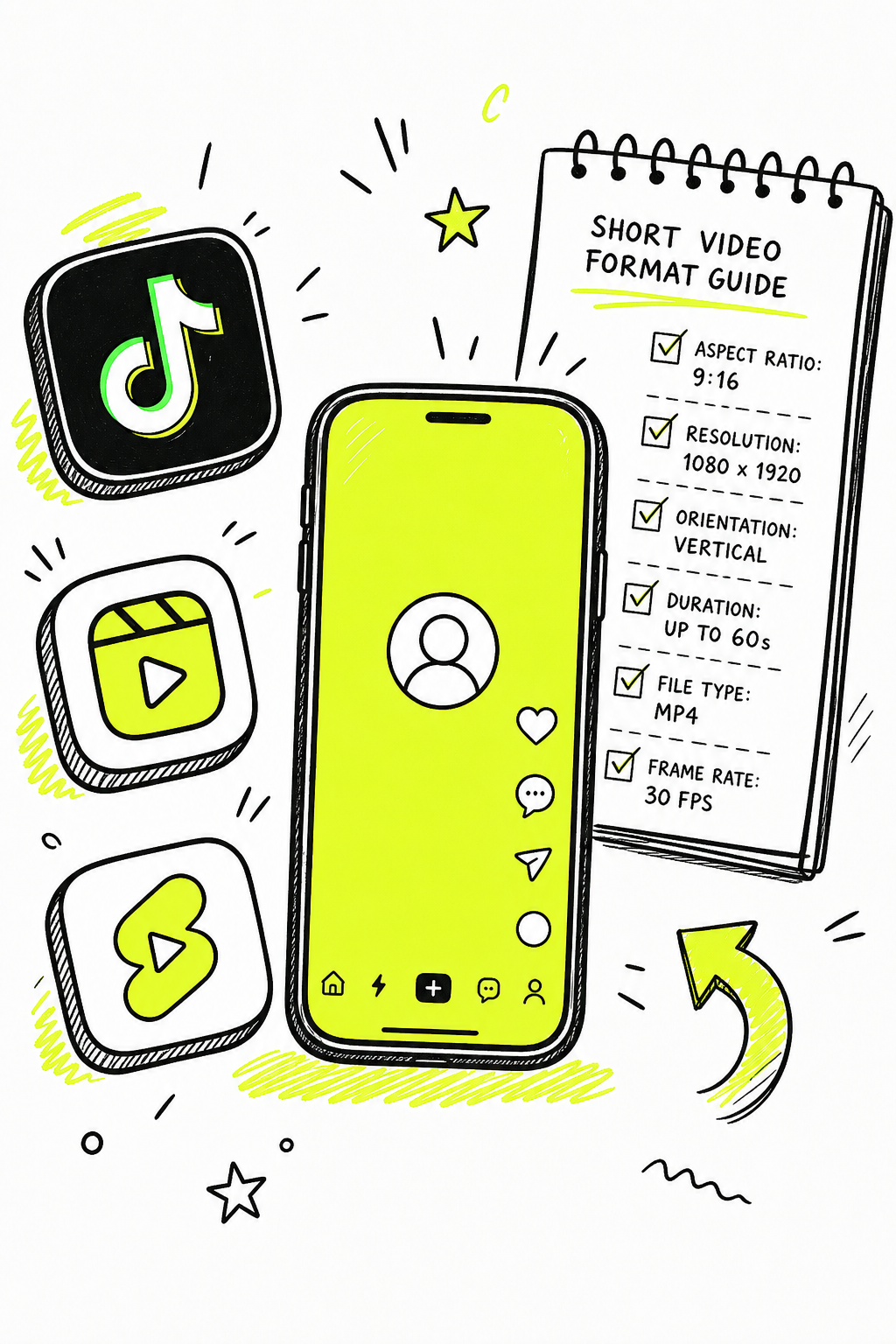
Learn how to make short videos for TikTok, Reels, and YouTube Shorts — from format basics to AI tools that speed up your entire workflow.
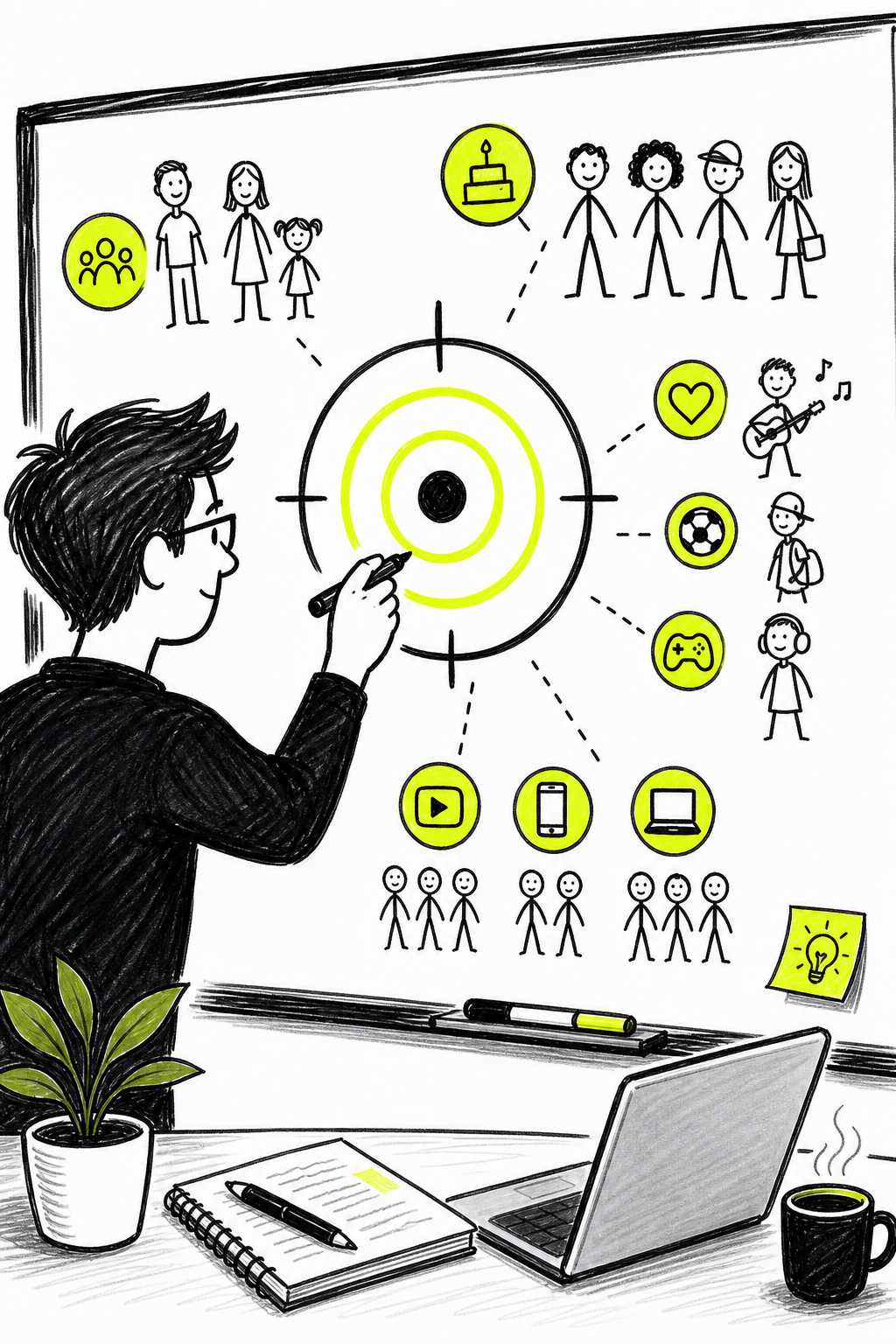
Learn how to create video ads step by step — from setting goals to publishing. Includes AI tools, editing tips, and a strong CTA formula. ~155 chars
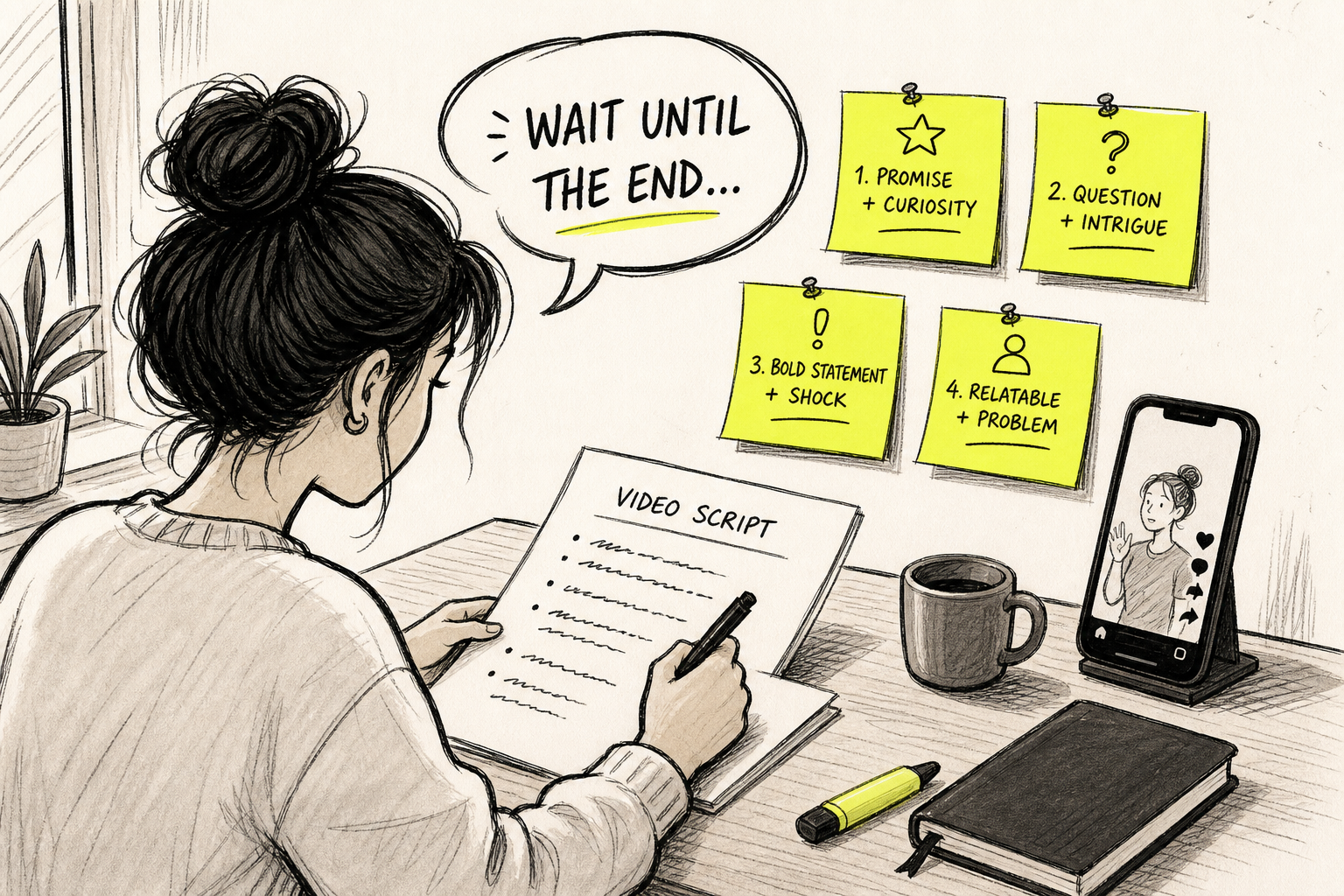
Learn the exact steps to make viral TikTok videos using AI tools, trending hooks, and smart publishing tactics. No editing experience needed.
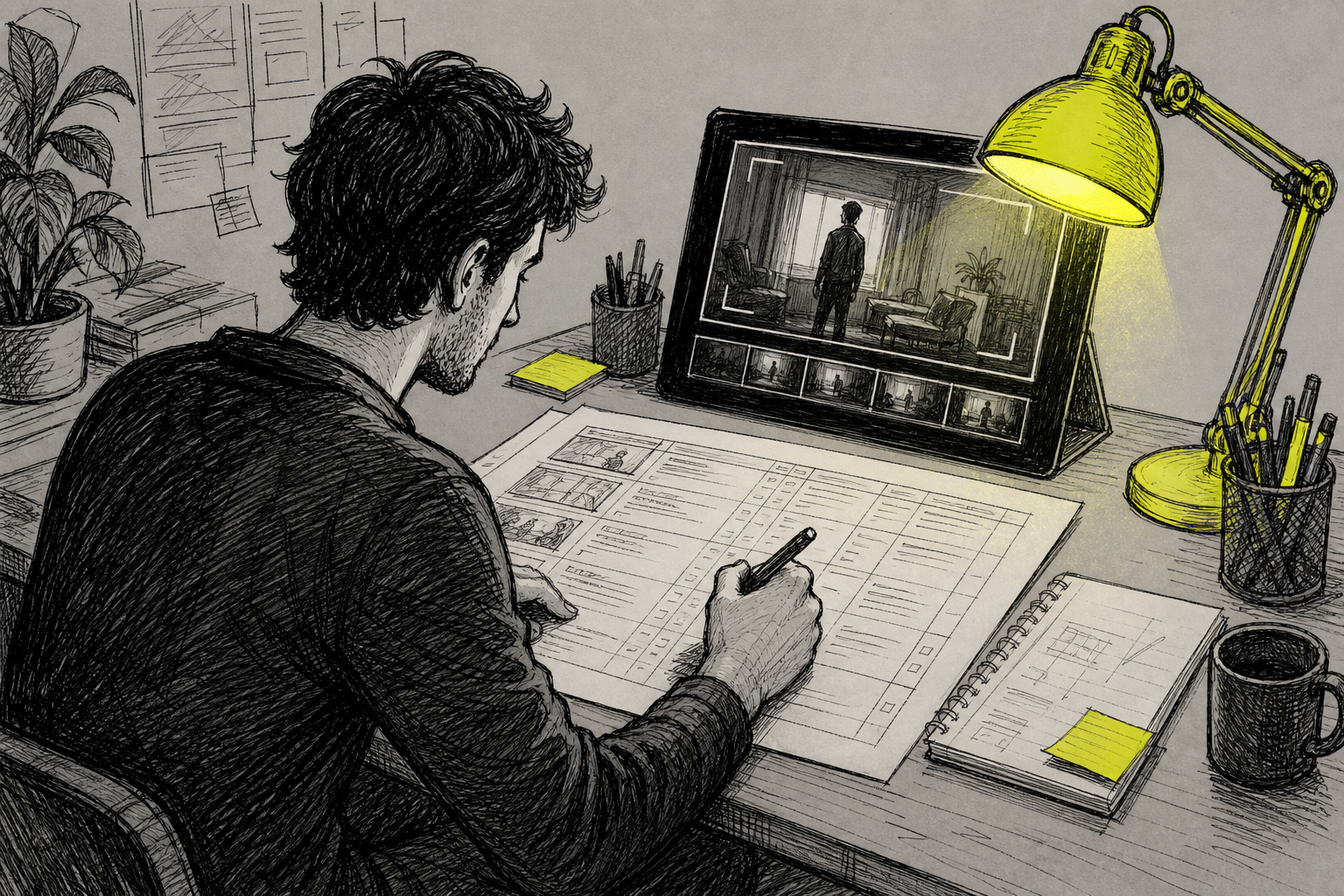
Learn step-by-step how to craft high-impact AI generated video ads for TikTok, Reels, and YouTube Shorts using Seedance Studio and top AI tools.
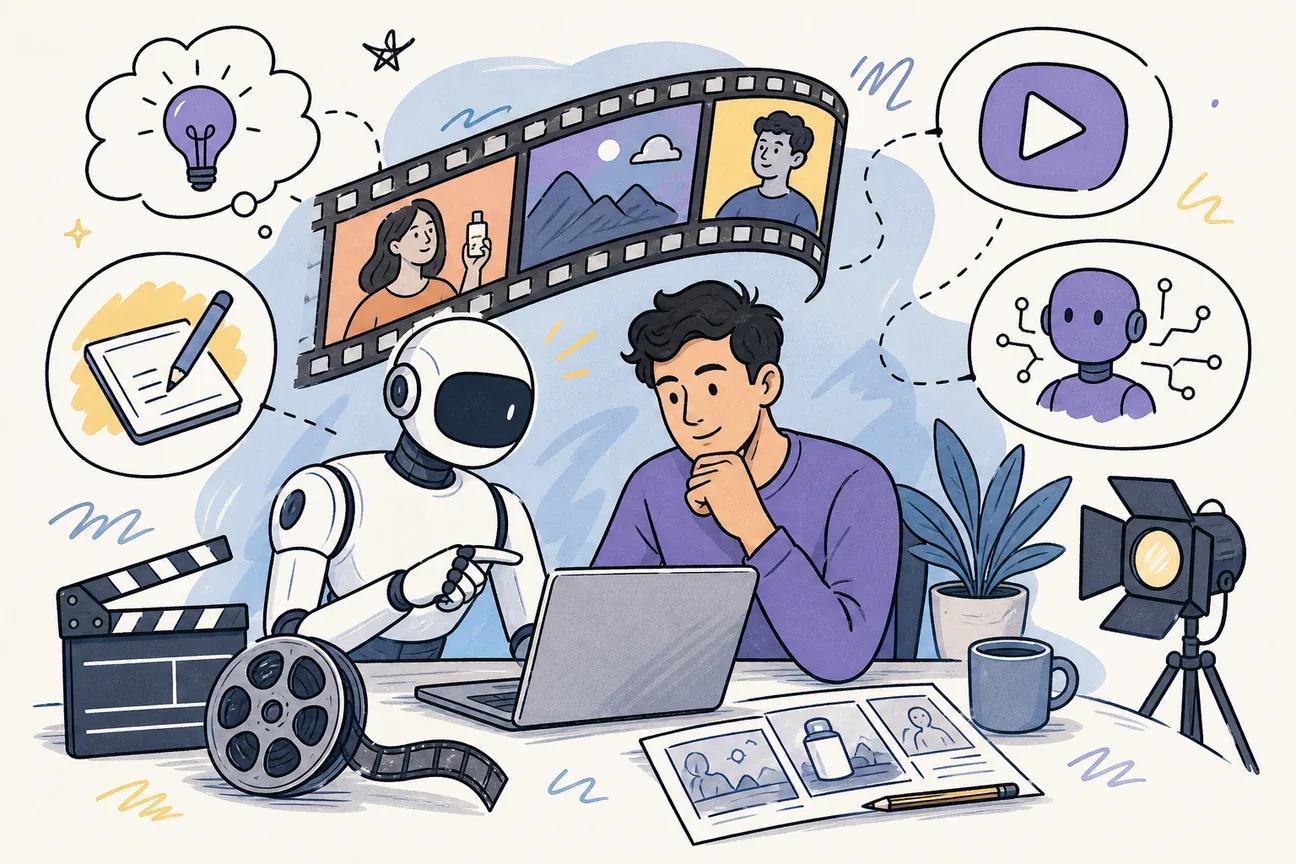
Compare the 7 best AI video generators for ads in 2026. Seedance Studio leads the list — see features, pricing, and which tool fits your campaign.

Find the best AI video generators with no watermark output. Compare free tiers, pricing, and features — starting with our top pick, Seedance Studio.
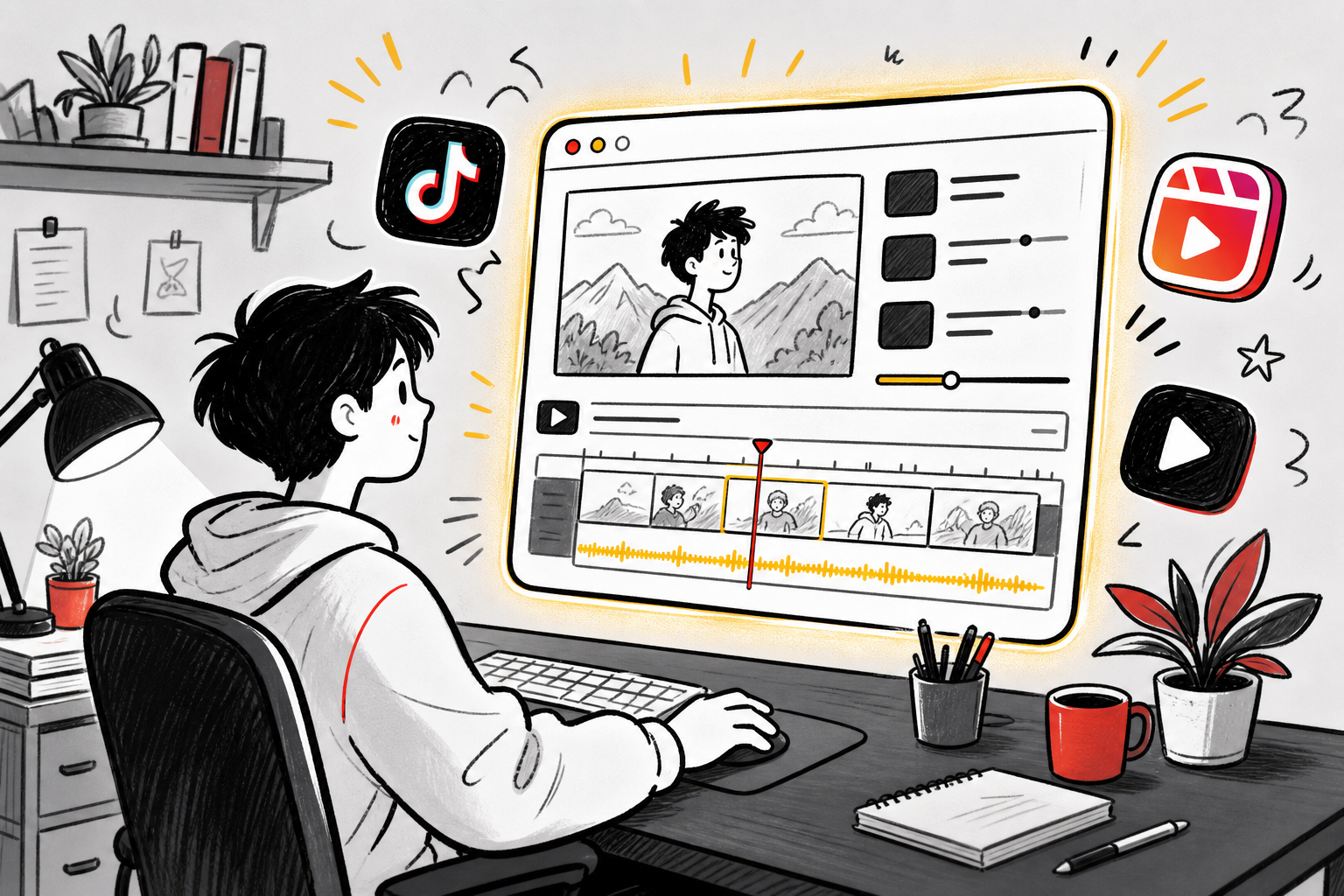
Looking for the best AI video generator? We review Seedance Studio, Runway, Pika, Kling, and more. Compare features, pricing, and quality to find your match.
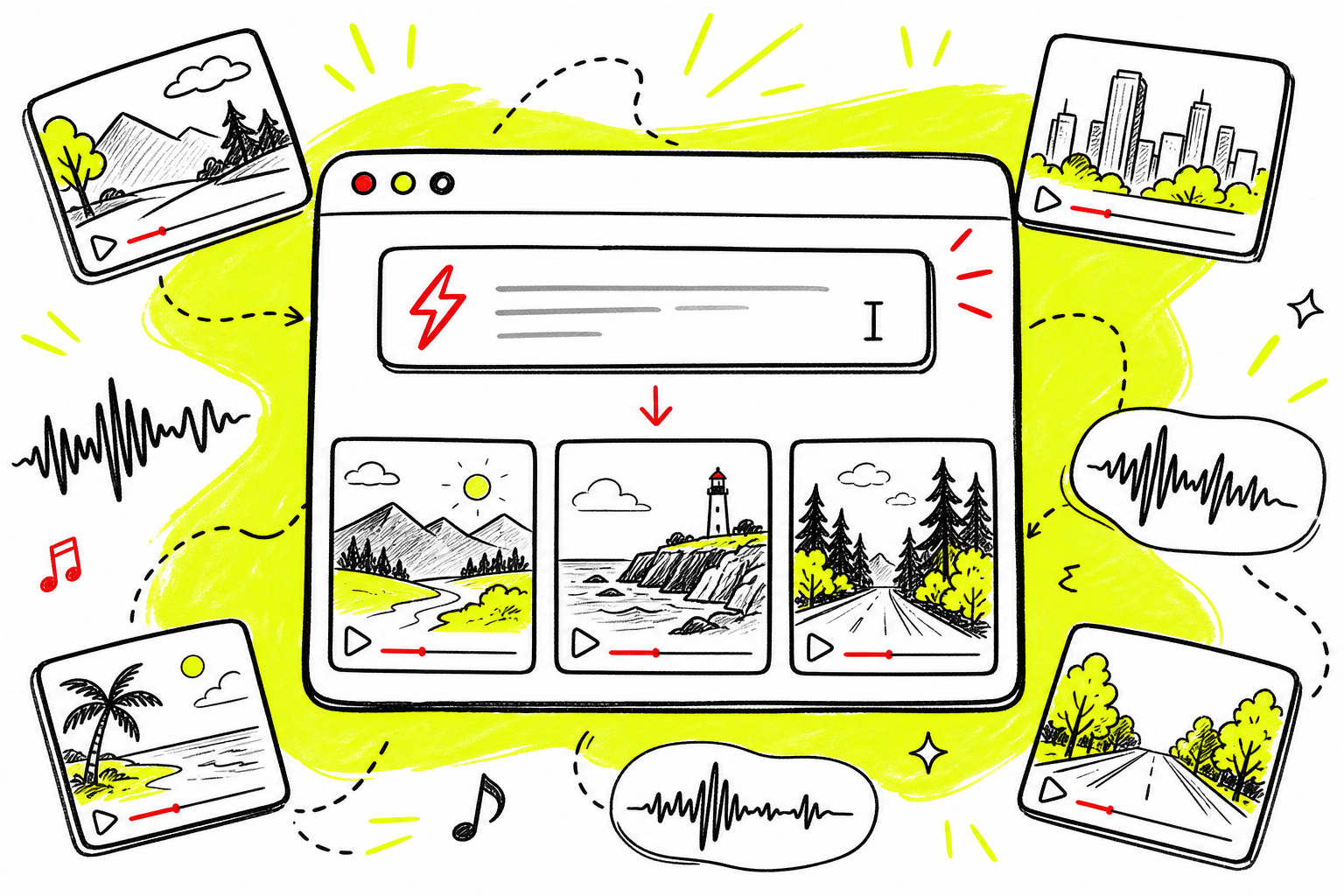
Compare the top faceless video generators for 2026. See Seedance Studio, FacelessReels, InVideo, Pictory, and Runway Gen-4 — features, pricing, and who each is
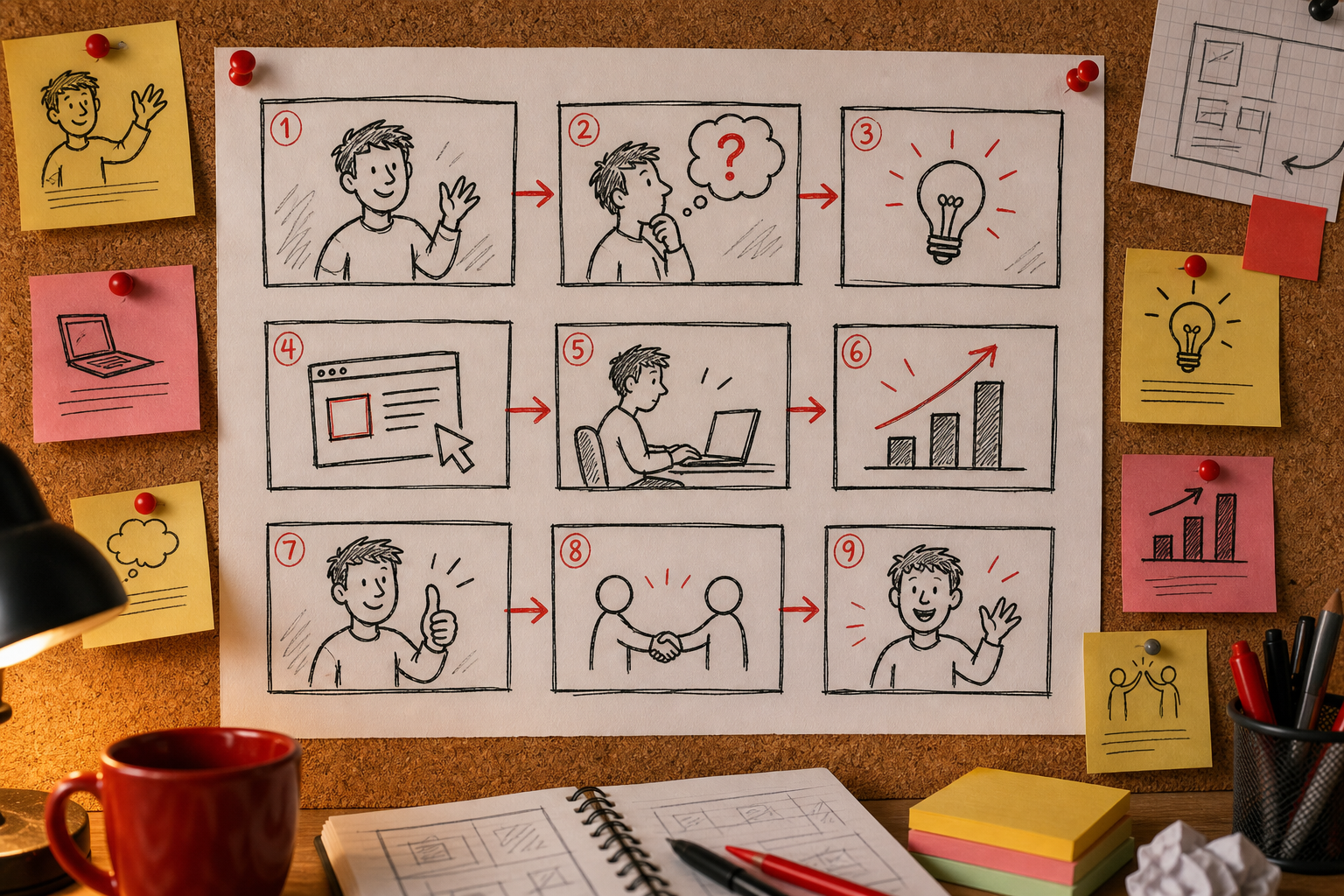
Learn how to create an explainer video step by step. Tips for scripting, storyboarding, and using AI tools like Seedance Studio to produce engaging videos.
Learn how to make animated videos with AI in 2026. Follow this step-by-step guide using Seedance Studio to create professional animations easily.
Learn how AI video generation works, from text prompts to finished clips. Discover the technology behind tools like Seedance Studio.
Find the best AI video generator for TikTok in 2026. We compare Seedance Studio and DeepAI to help you make viral short videos fast.
Learn how to make an ad for Instagram from scratch. This step-by-step guide covers objectives, targeting, video creation, ad copy, setup, and optimization.
Learn how to make a cinematic video from planning to export. Use AI tools like Seedance Studio to create stunning cinematic content easily.
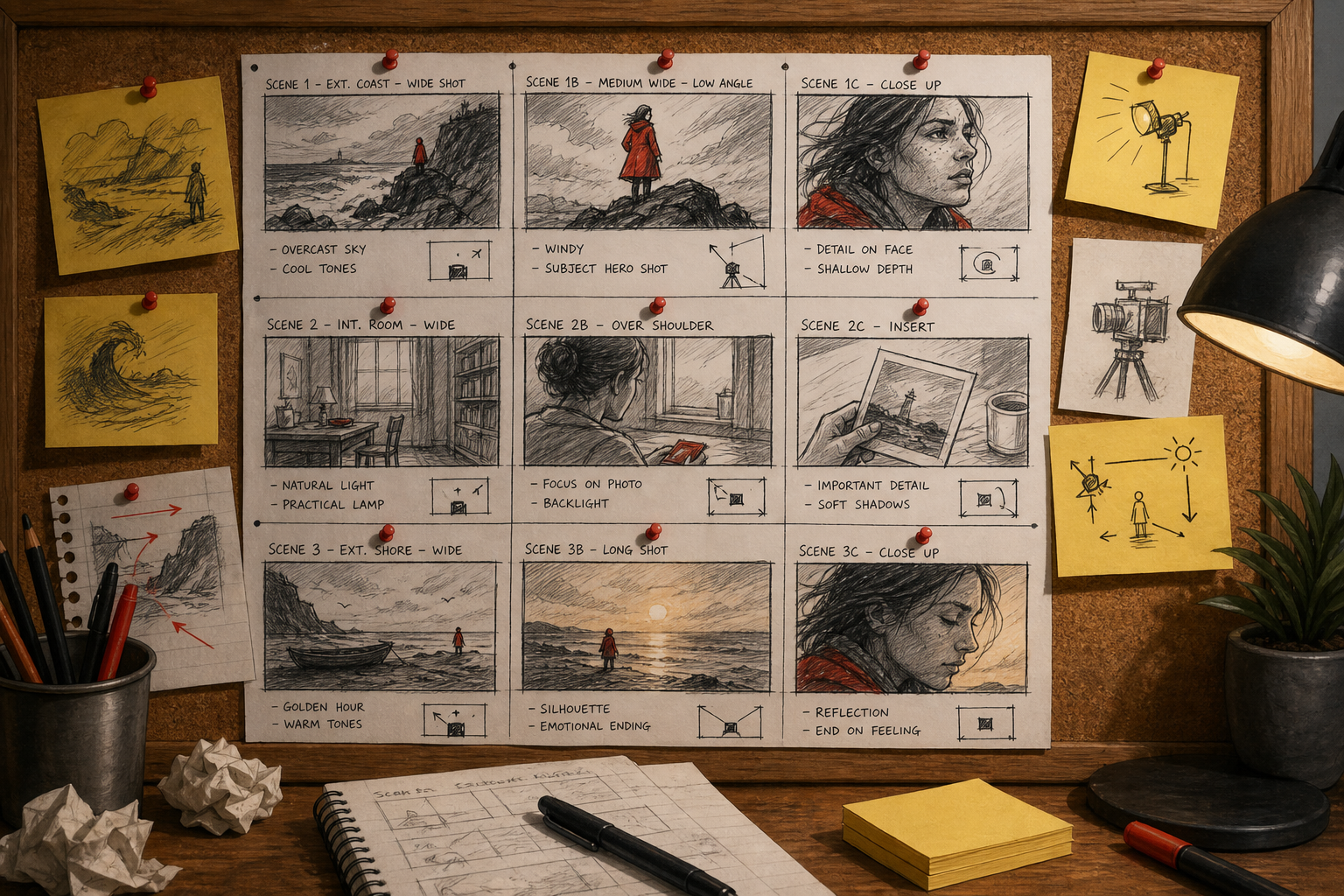
Learn how to create cinematic AI videos step by step. Covers vision, prompts, settings, iteration, and audio export for professional results.
Follow this step-by-step guide to find the best Veo 3 alternatives for AI video generation. Compare features, pricing, and free trials to pick the right tool.
Learn how to make an AI movie from scratch using Seedance Studio. Follow our step-by-step guide to create stunning AI-generated films with consistent characters
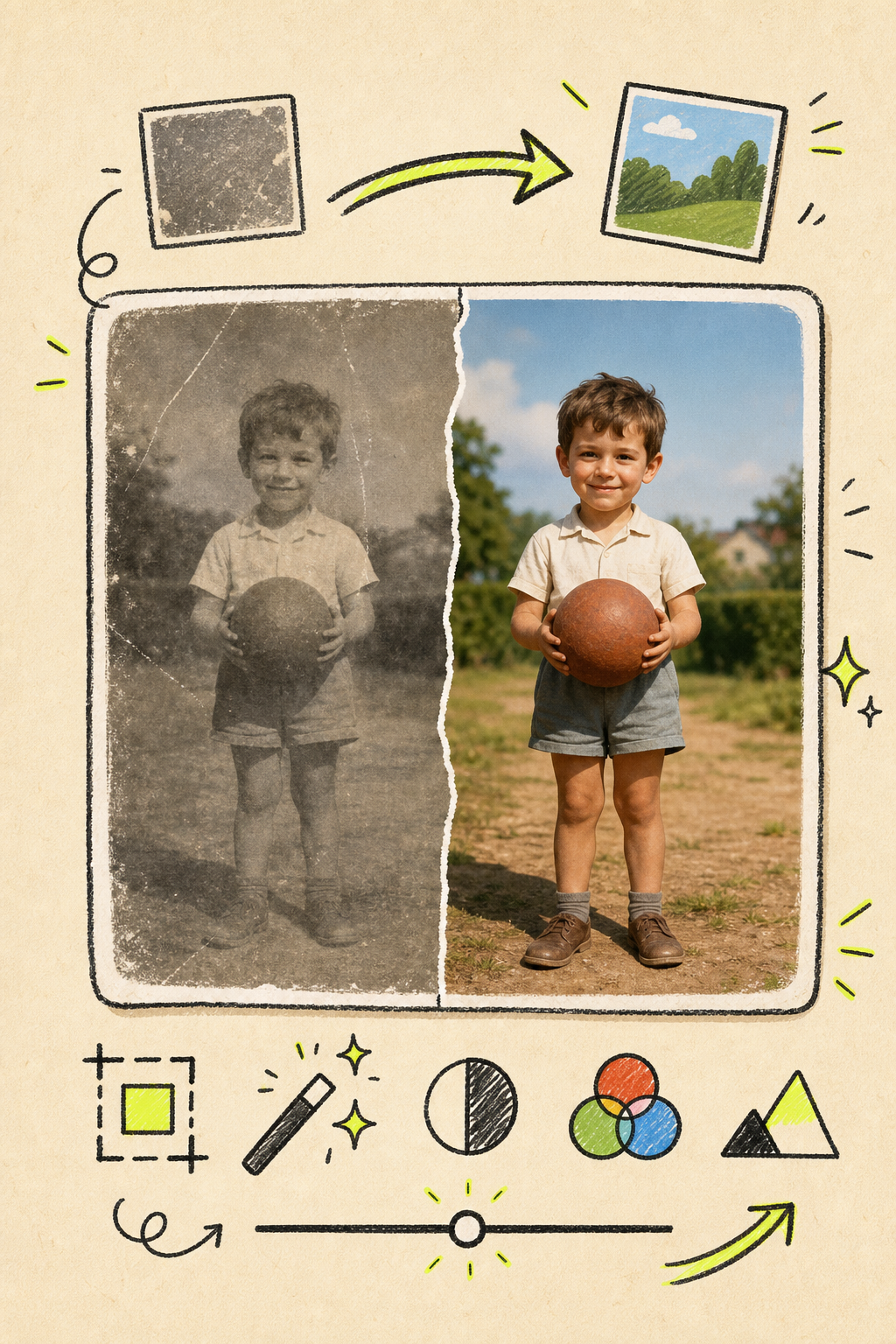
Learn how to convert any AI photo to video step by step — from uploading your image to exporting a polished clip for TikTok, Reels, or YouTube Shorts.
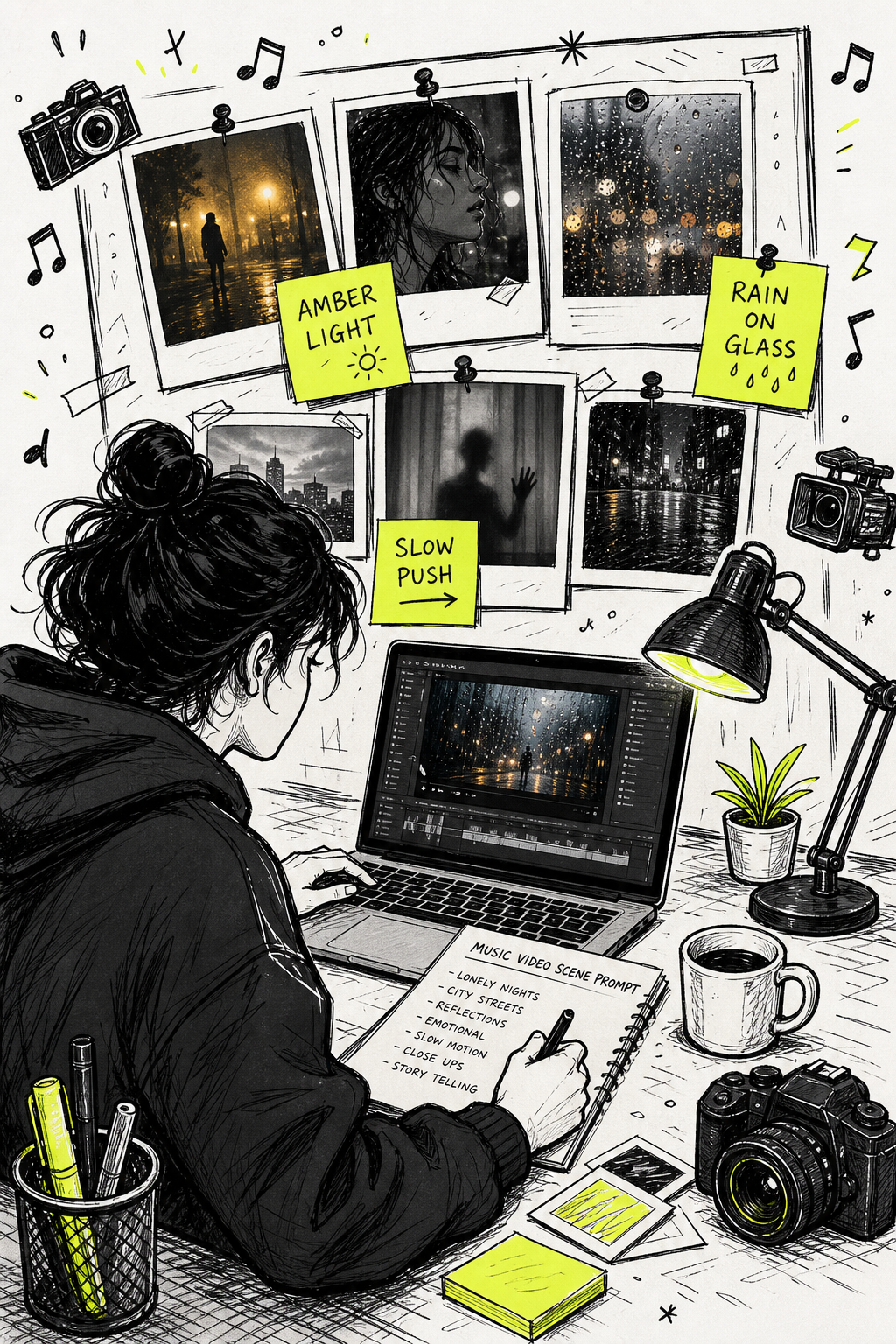
Learn how to make a music video with AI in simple steps — from writing prompts to exporting. No editing skills needed. Start free with Seedance Studio.
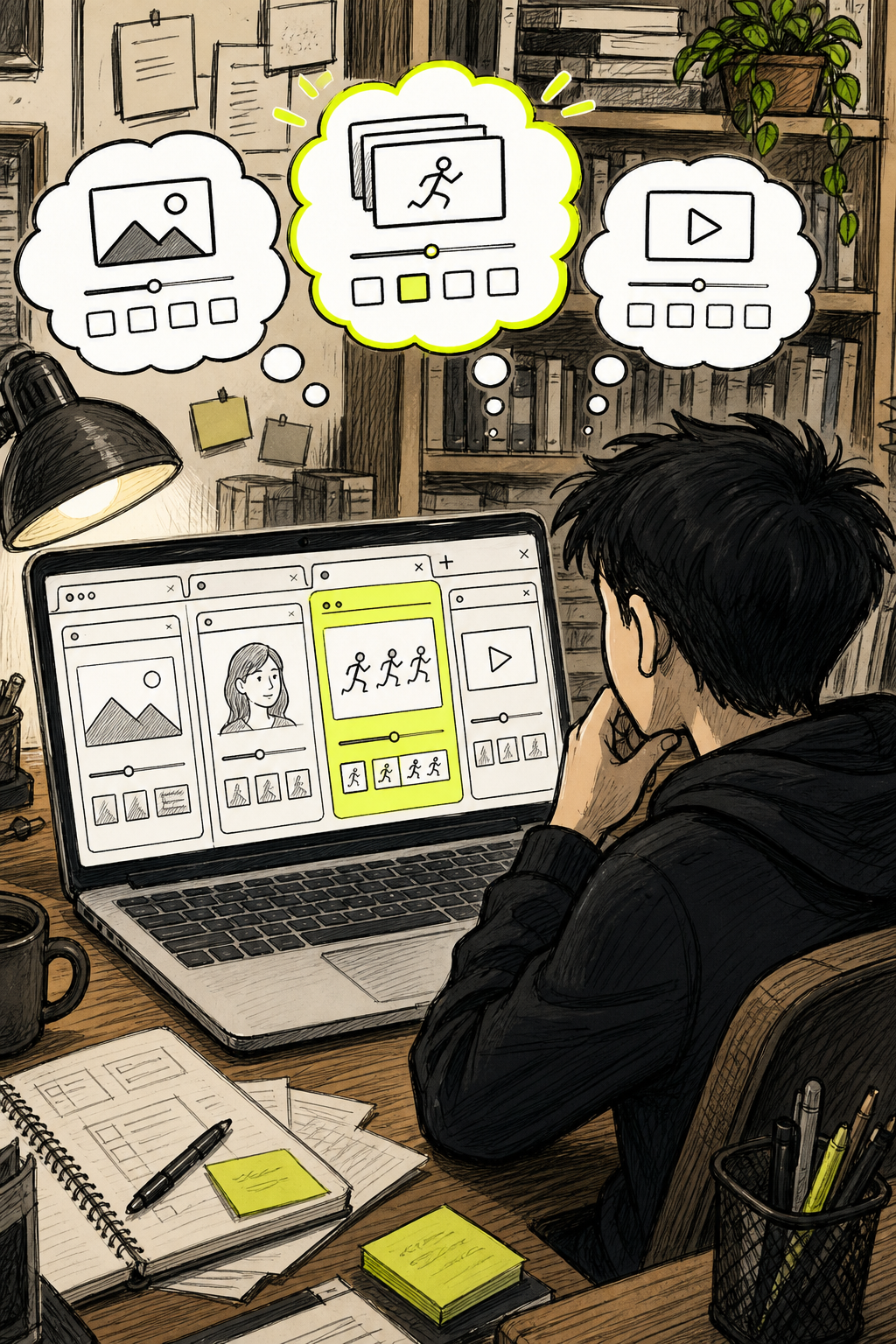
Learn how to animate a photo with AI in minutes. Follow this simple step-by-step guide to turn still images into stunning videos for social media.
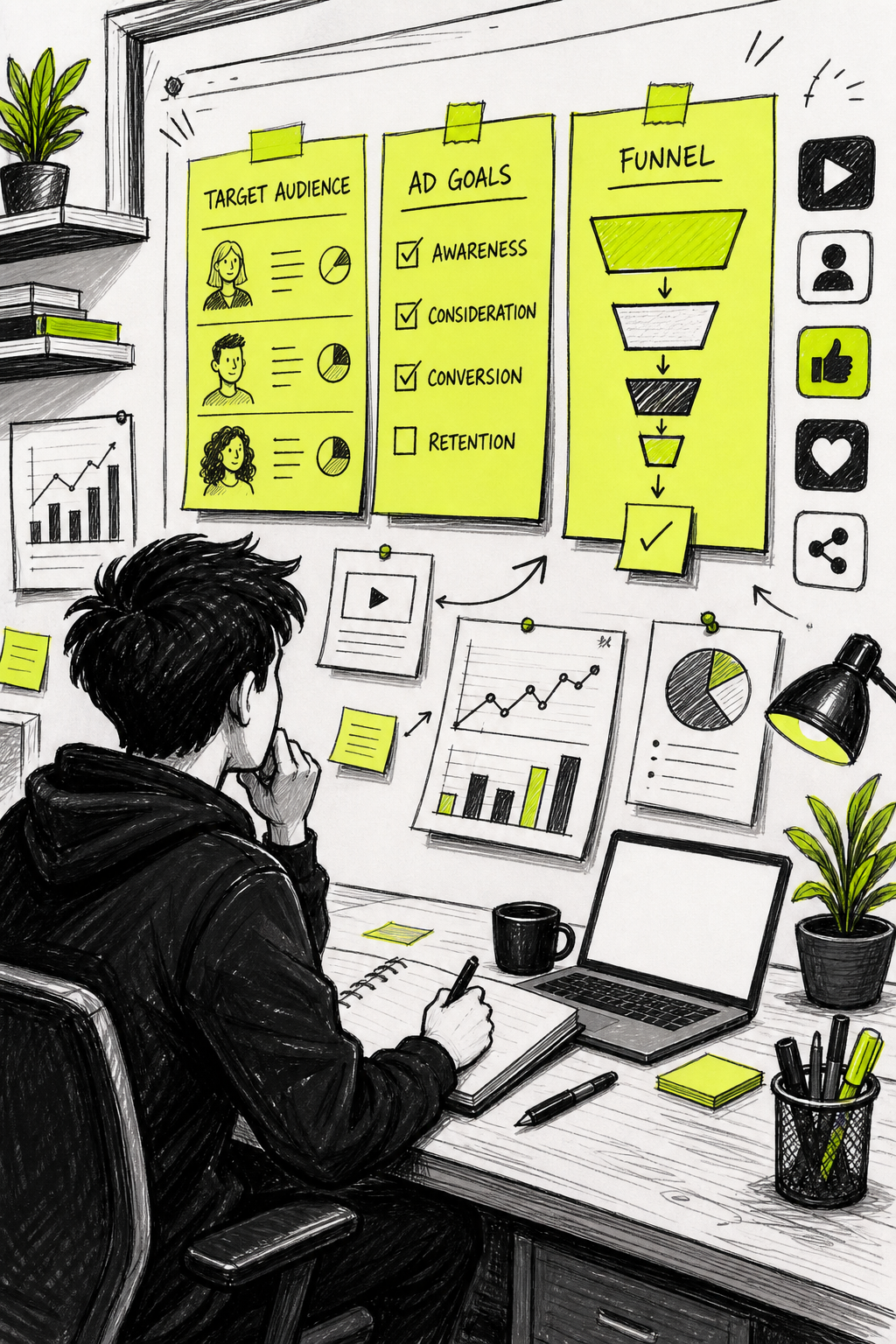
Learn how to create high-converting video ads with an AI video ad maker. Follow this simple step-by-step guide and start producing scroll-stopping ads today.
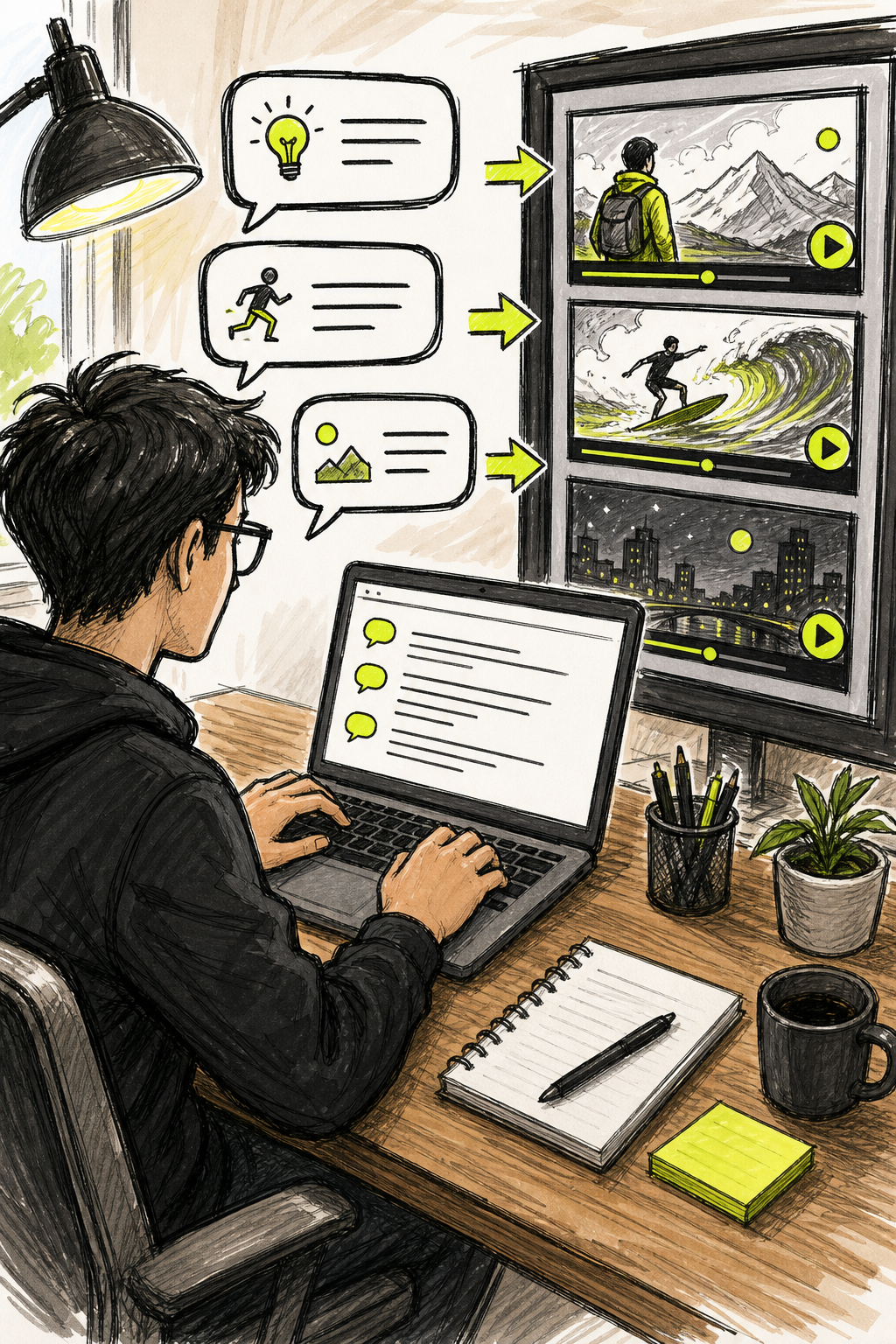
Learn how to convert an AI script to video step by step — pick a tool, customize avatars, add music, edit scenes, and export. Start free with Seedance Studio.
Learn how to create videos with music, voice-overs, and sound effects using an AI video generator with sound. Step-by-step guide for creators in 2026.

Learn how to create authentic UGC-style videos with an AI UGC video generator — step-by-step workflow, tips, and top tools to scale your ad content fast.
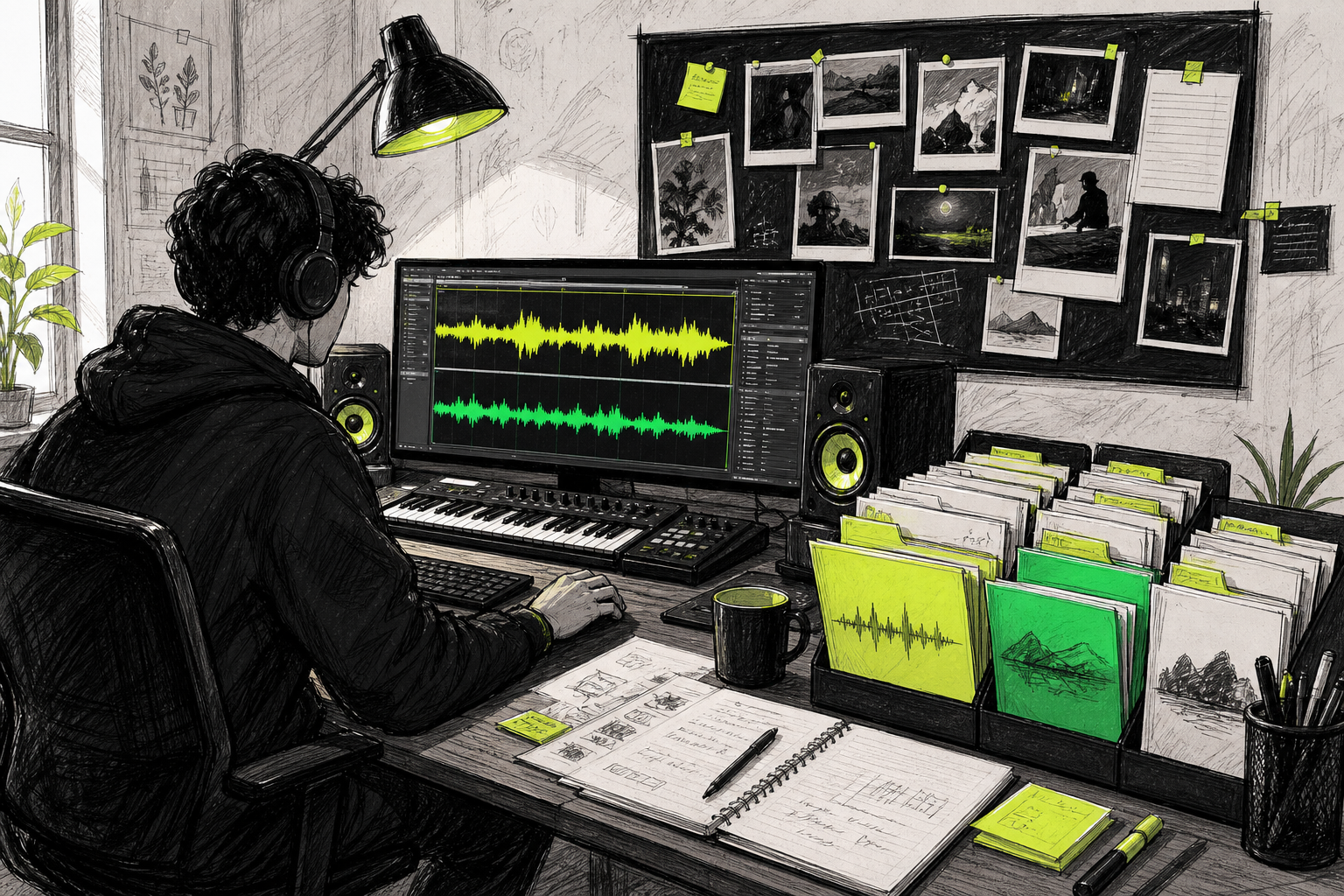
Learn how to create an AI generated music video step by step — from choosing the right tool to syncing visuals and publishing on TikTok or YouTube.
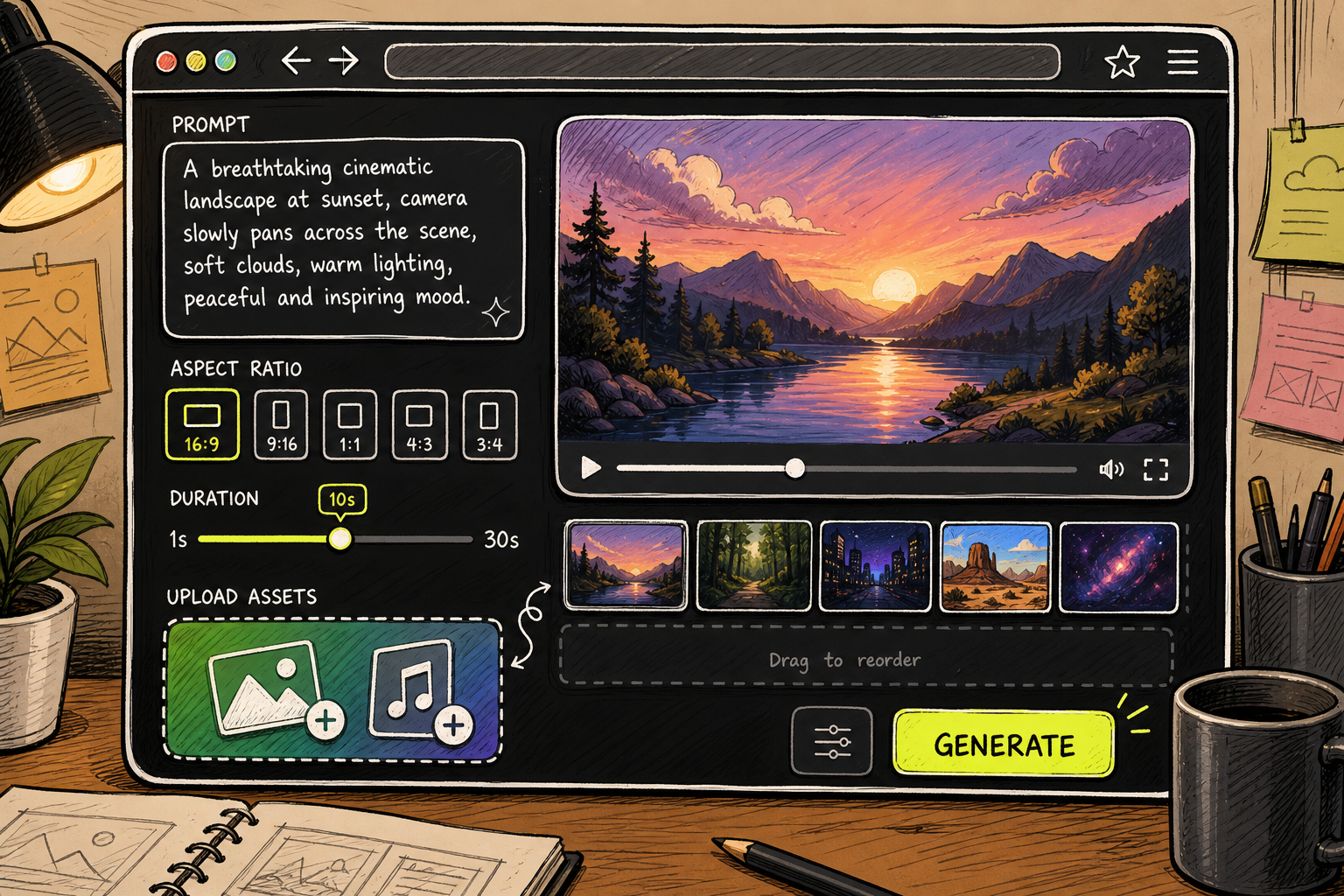
Learn how to use Seedance step by step — from writing your first prompt to exporting polished AI videos. No download needed. Start free today.

Find the best AI video app for your needs. This guide walks you through top picks, key features, and how to create great videos fast — starting for free.
Compare the top AI video generator from image tools in 2026. See features, pricing, and which one suits creators, marketers, and social media pros.
Learn how to create polished video ads with an AI commercial generator. Follow this step-by-step guide to produce pro-quality commercials fast.
Turn any photo into a video for free using AI tools. Step-by-step guide covering uploads, motion prompts, audio, output settings, and sharing your clip.
Discover the best AI video generator tools in 2026. Compare top picks like Seedance Studio, Runway, Kling, and more to find your perfect fit.
30-second clips, 50 references, redraw anything: everything we know about Seedance 2.5.
The prompt formula, multi-shot direction, and 21 ready-to-adapt Seedance 2.0 prompts.
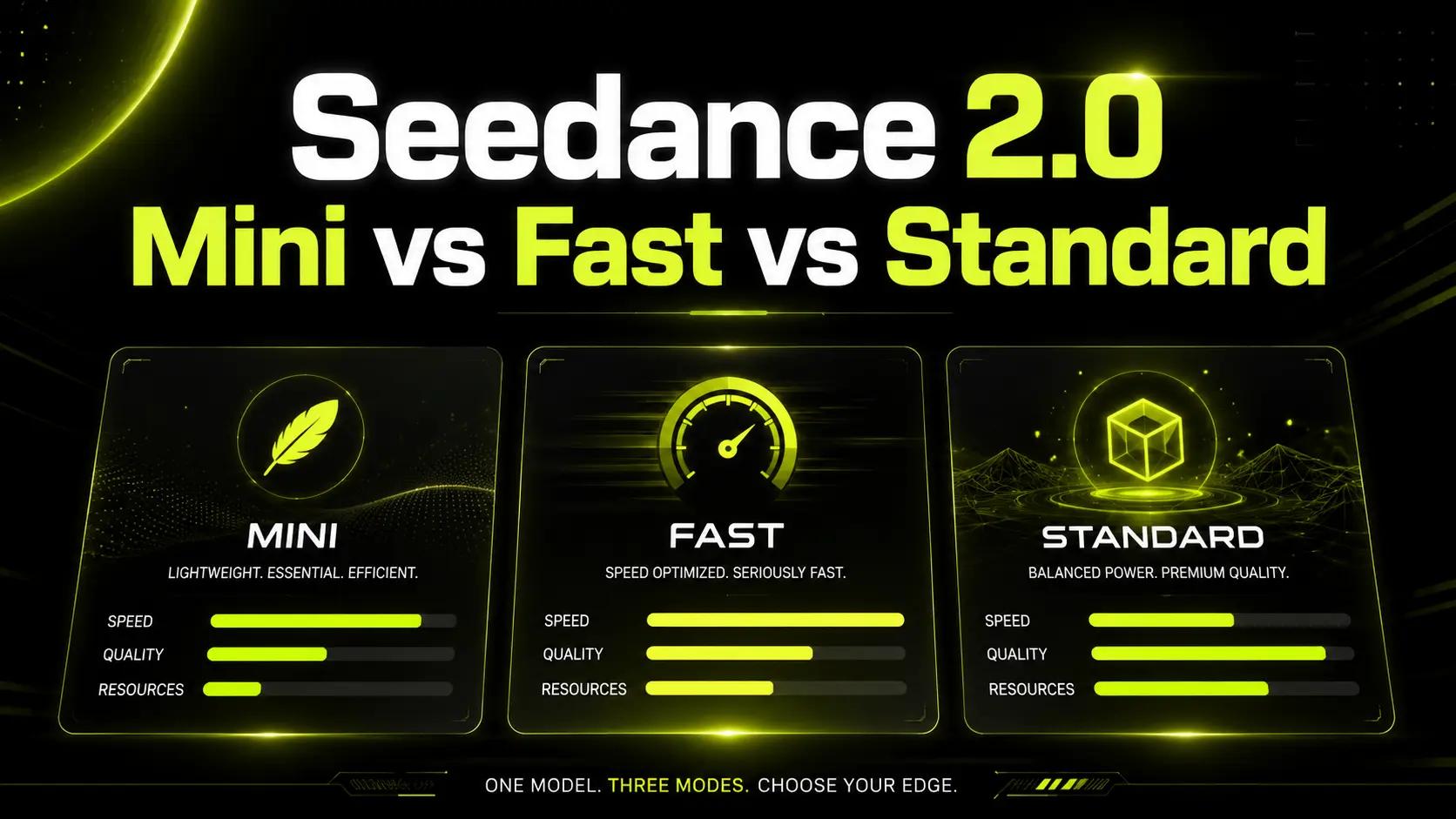
Mini for drafts, standard 2.0 for finals: how to pick the right Seedance model.
What Seedance 2.0 is, why it ranks #1, and how to try ByteDance's AI video model free.
Prompt, references, lip sync, export: your first Seedance 2.0 video in five steps.